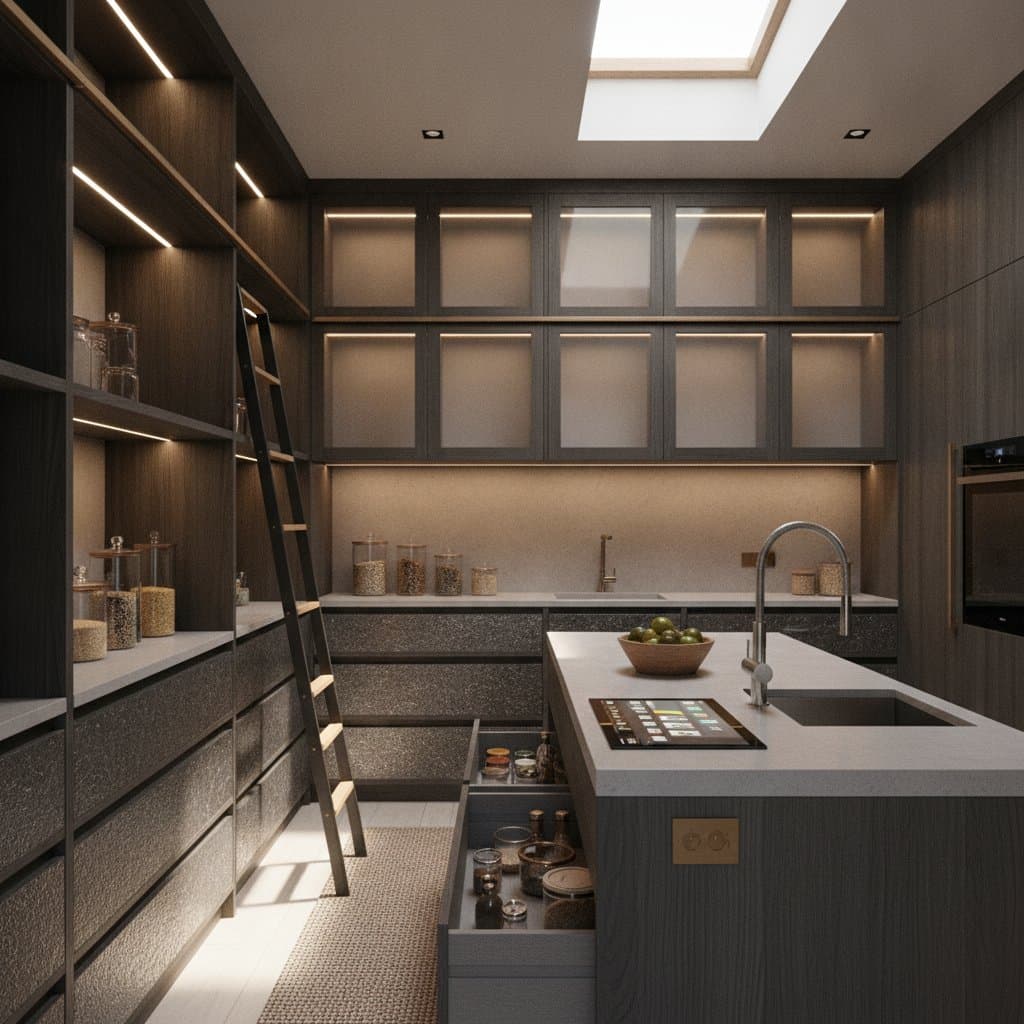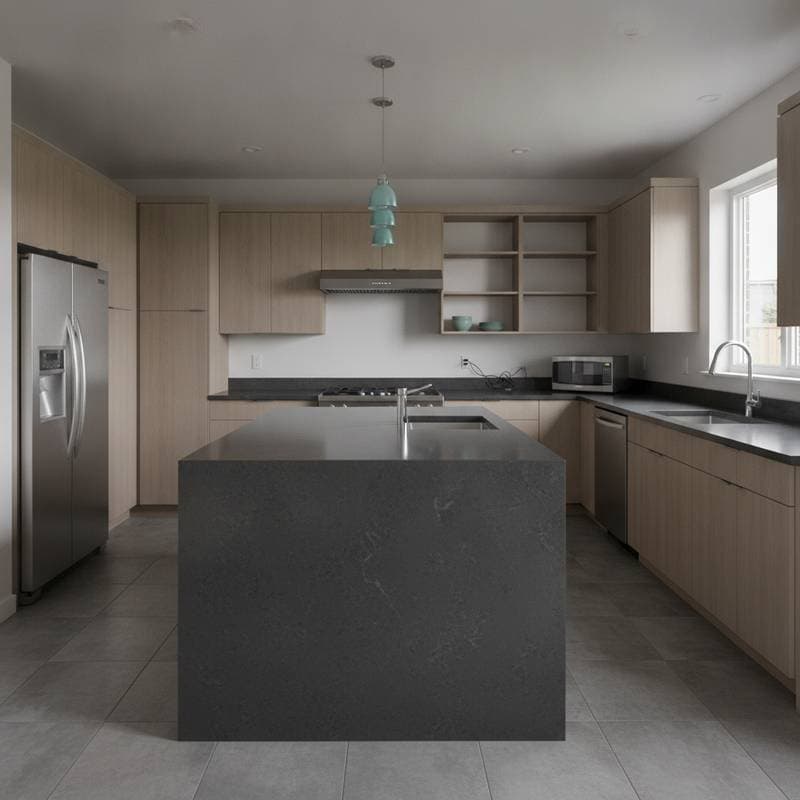

The Return of Kitchen Walls
Walk through enough new homes and you will notice a shift that surprises many homeowners. The once dominant open concept kitchen is being reconsidered. After years of knocking down walls to create one large living zone, more people now want separation again. This change reflects the realities of daily life, including noise, privacy, and function.
As an architect I have watched this reversal unfold project by project. The lesson is simple. Good design adapts to how people actually live, not just how a photograph looks. The open kitchen had its moment for valid reasons. Families wanted connection and light, and the open plan delivered both.
Yet as lifestyles evolved the drawbacks became clear. Cooking smells drifted into living rooms. Clutter stayed visible. Noise carried everywhere. The comeback of kitchen walls is not nostalgia. It is practicality returning to the center of design.
Controlling Noise, Odors, and Clutter
Open kitchens make it hard to escape the sound of blenders, vent hoods, or dishwashers. Odors from frying or baking drift through the entire living space. Families working from home or relaxing in nearby living areas often find that noise and smells from cooking intrude on other activities.
Enclosing the kitchen with partial or full walls allows better control. Install a solid core door or a glass one that seals well. Use downdraft vents or high capacity hoods ducted outdoors. Consider drop ceilings with acoustic panels to absorb sound. Range hoods rated above 400 cubic feet per minute handle heavy cooking effectively. Resilient channel systems between drywall layers reduce vibration transfer.
The kitchen becomes a controlled environment again. The rest of the home stays peaceful and odor free.
Shaping Light and Movement
Removing walls often means losing control over light direction and room rhythm. Spaces can feel flat and overly exposed. A well designed kitchen should shift in tone from morning brightness to evening comfort. Open layouts make lighting uniform and lifeless.
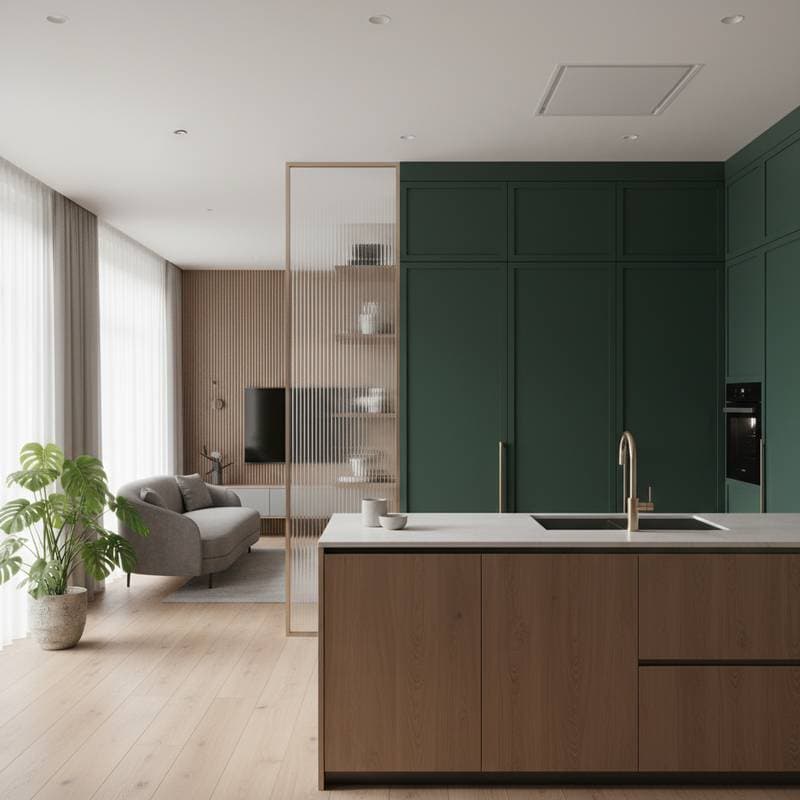
Use partial walls or glass transoms to shape how light enters and moves. Borrow light strategically rather than flooding every surface. Include task lighting under cabinets and pendants over islands to create layers. Combine 3000K LED task fixtures with dimmable recessed units for flexibility. Glass partitions with a frosted lower panel maintain privacy while sharing daylight.
The kitchen gains dimension and mood control. Daily routines become more pleasant experiences.
Improving Energy Performance
Open layouts are harder to heat or cool evenly. Air moves freely between zones and forces systems to work harder. Large combined spaces often lead to drafts in winter and uneven cooling in summer. Utility bills reflect the inefficiency.
Reintroduce walls to define thermal zones. This approach allows more targeted temperature control and smaller, efficient mechanical systems. Include properly sealed doorways and insulated wall cavities. R 13 batt insulation in interior partitions helps retain conditioned air. Zoned HVAC systems with separate thermostats serve the kitchen and living spaces independently.
Comfort improves. Energy costs drop. The home operates more sustainably.
Reducing Maintenance and Visual Stress
Open kitchens expose everything. Smudges on appliances, crumbs on counters, and dishes in the sink stay visible from every angle. Many homeowners grow tired of constant tidying just to keep the space looking photo ready.
Bring back walls or partial screening elements that allow realistic living. Consider built in niches or half height barriers that hide sink areas from main sightlines. Half walls should reach between 42 and 48 inches in height for effective concealment. Use washable paint finishes such as satin or semi gloss for easy cleaning.
The kitchen becomes less demanding visually and emotionally. It supports a calmer home life.
Supporting Evolving Lifestyles
The open concept model assumed constant social interaction. Modern living often demands flexible zones for work, study, or quiet cooking. Families now need adaptable environments that separate noise, contain activity, and support concentration.
Reintroduce movable walls, sliding panels, or partial enclosures that adjust as life changes. A kitchen can open for family time or close for focus. Track mounted sliding systems or acoustic panels can be installed with minimal structural change. Choose hardware rated for smooth operation and long term durability.
The home stays versatile and functional. It remains ready to evolve with its occupants.
Balancing Openness and Privacy
Walls returning to the kitchen do not signal a retreat from modernity. They represent a mature understanding of balance. The best homes combine openness where it matters and boundaries where they improve life. Separation can actually enhance connection by giving each zone its own clarity and purpose.
When planning a remodel or new build, consider what your kitchen truly needs to support. Do you cook often, entertain frequently, or seek quiet time while others relax nearby. The answer should guide how many walls return and where they go.
The open concept era taught designers how valuable connection and light can be. The next phase reminds us that control, privacy, and proportion matter just as much. When executed thoughtfully, a kitchen with well placed walls feels grounded, efficient, and human. It supports real living rather than visual ideals.