

The Return of Closed Kitchens: Why Walls Are Making a Comeback in 2026
Open kitchens defined modern living for years, allowing seamless interactions between cooking and gathering spaces. Families prepared meals while conversing with guests in adjacent areas, fostering a sense of unity. However, as lifestyles evolve, many homeowners seek greater separation to enhance privacy and reduce distractions. In 2026, closed kitchens emerge as a practical solution, blending functionality with contemporary design to create more balanced home environments.
Reasons for the Shift to Closed Layouts
Open plans offered fluidity, yet they often amplified everyday challenges. Cooking odors permeated living areas, and visual clutter from dirty dishes or scattered ingredients disrupted relaxation. With remote work and home-based routines becoming standard, individuals crave dedicated zones that support focus and order.
Closed kitchens address these issues by establishing clear boundaries. They confine mess and noise to the culinary space, preserving tranquility elsewhere. This separation proves especially valuable during meal preparation, when concentration matters most. Homeowners report higher satisfaction when their living rooms remain serene, free from the intensity of active cooking.
Moreover, privacy plays a key role in this trend. In open setups, every activity remains exposed, which can feel intrusive during casual family moments or virtual meetings. Walls provide a subtle shield, allowing personal routines without oversight. This design choice aligns with broader wellness priorities, promoting mental clarity amid busy schedules.
Modern Interpretations of Closed Kitchens
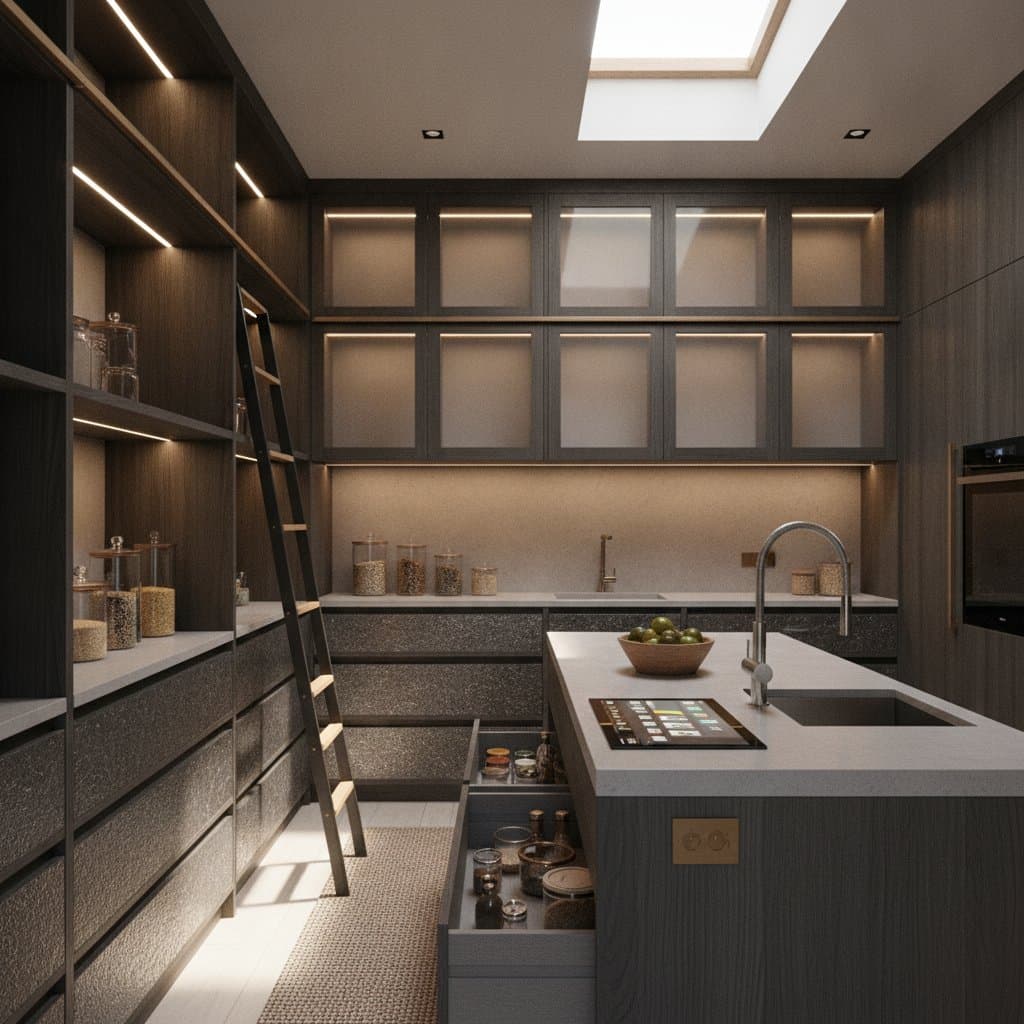
Traditional closed kitchens evoked cramped, shadowy corners, but 2026 versions prioritize elegance and integration. Architects and designers incorporate translucent elements to soften divisions while upholding separation. Light flows freely, ensuring the space feels inviting rather than isolated.
Essential elements shaping this revival include:
- Translucent barriers: Frosted glass panels or etched dividers filter views and sounds, maintaining a connection to adjacent rooms without full exposure.
- Architectural accents: Exposed brick, wood slats, or curved partitions add texture and warmth, transforming walls into focal points that enhance overall aesthetics.
- Strategic illumination: Combine recessed lighting for ambient glow with under-cabinet strips for precision tasks, creating versatile atmospheres from bright work zones to soft evening settings.
- Optimized spatial planning: Arrange countertops, appliances, and storage in efficient triangles to streamline movement, reducing fatigue during extended use.
These features adapt to diverse settings, from compact urban dwellings to expansive suburban houses. For instance, a bifold glass wall in a studio apartment offers on-demand enclosure, while a barn-style door in a family home provides rustic charm and utility.
Steps to Implement Closed Kitchen Design
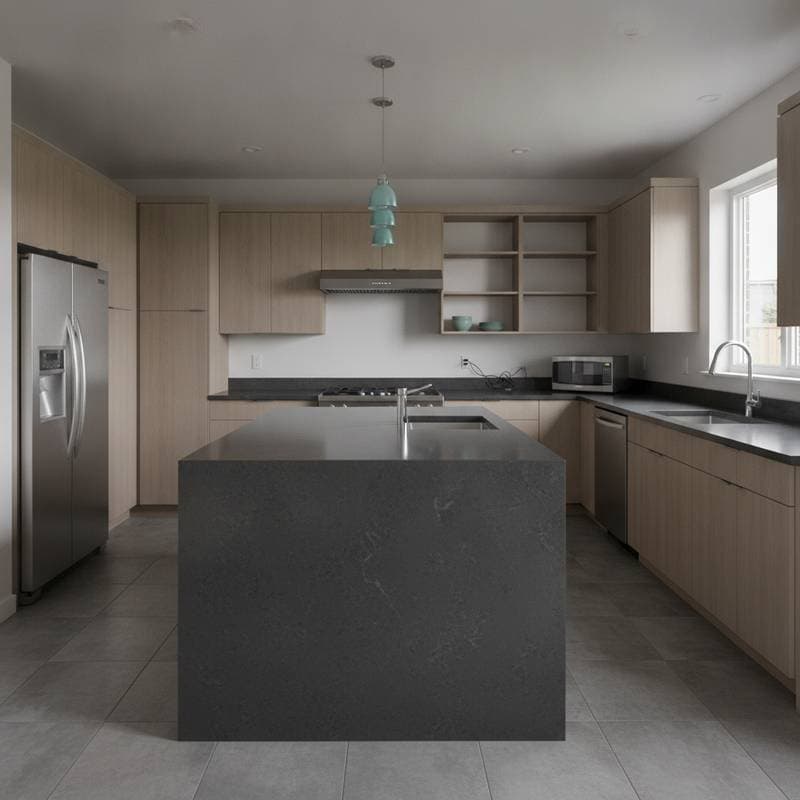
Transitioning from an open layout requires thoughtful planning, but incremental changes yield significant results. Assess your current space to identify high-impact areas, such as noisy cooking zones or visible prep surfaces. Consult a designer early to align modifications with your home's architecture and budget.
Practical methods to introduce divisions:
- Erect a partial barrier: A 42-inch pony wall topped with a countertop extends the island, delineating the kitchen while preserving partial visibility.
- Incorporate operable screens: Sliding barn doors or accordion partitions in tempered glass allow quick adjustments, closing for privacy or opening for flow.
- Define with overhead elements: Install decorative beams or a dropped ceiling soffit to visually frame the kitchen, guiding the eye without physical obstruction.
- Repurpose furnishings: Position a freestanding room divider with integrated storage, like a larder unit, to segment areas while adding utility.
Budget considerations vary: Simple dividers cost under $1,000, while custom glass installations range from $5,000 to $15,000. Focus on durable materials like anodized aluminum frames or sustainable bamboo panels to ensure longevity. Test layouts with temporary setups, such as tension rods with curtains, before committing to permanent changes.
Benefits of Embracing Closed Kitchens in Daily Life
Adopting a closed kitchen transforms routine activities into more enjoyable experiences. Preparation becomes streamlined in a contained environment, minimizing interruptions and boosting efficiency. Cleanup confines to one area, keeping communal spaces pristine for spontaneous gatherings.
Social dynamics improve as well. Hosts entertain without the stress of visible chaos, and family members retreat to quiet zones post-meal. Aromas dissipate quickly, preventing lingering scents from overpowering the home. Overall, this layout fosters a harmonious balance, where culinary creativity thrives alongside restful living.
In 2026, closed kitchens symbolize intentional design that honors both individuality and togetherness. They invite homeowners to curate spaces that evolve with needs, delivering enduring comfort and style.