
Why Biophilic Kitchens Will Rule 2026 Trends
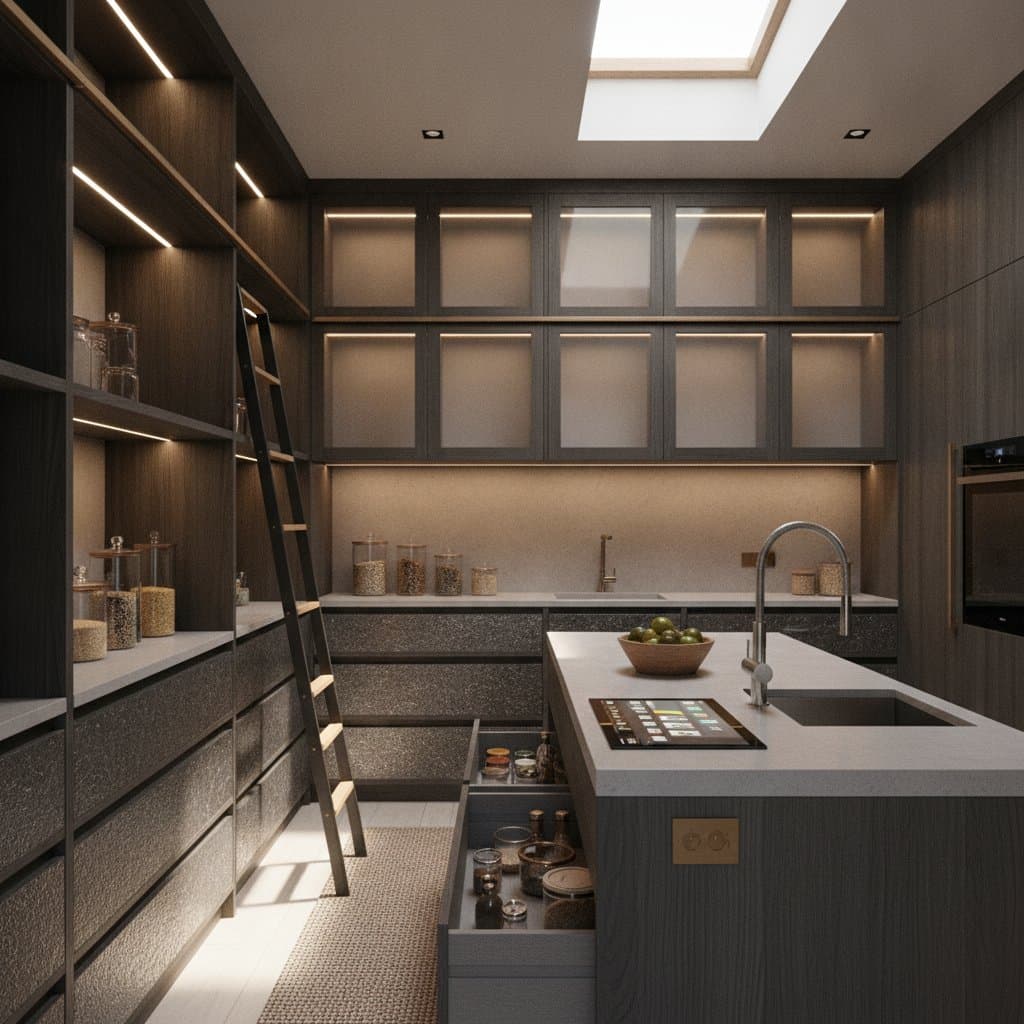
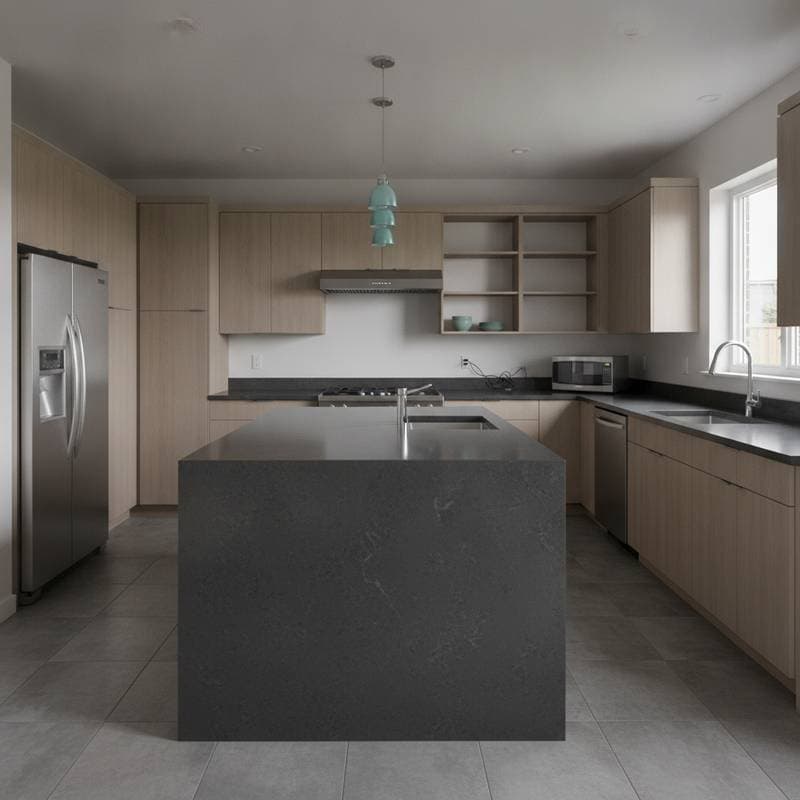
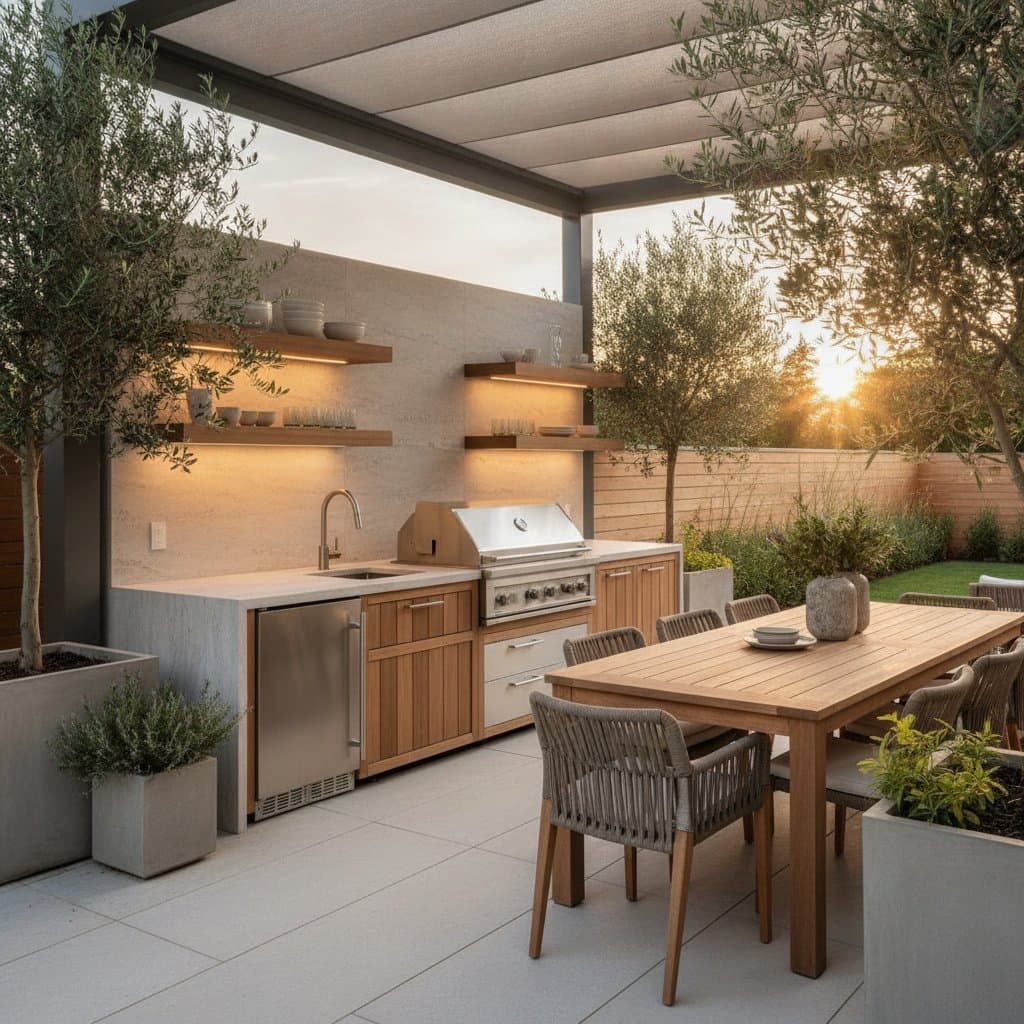
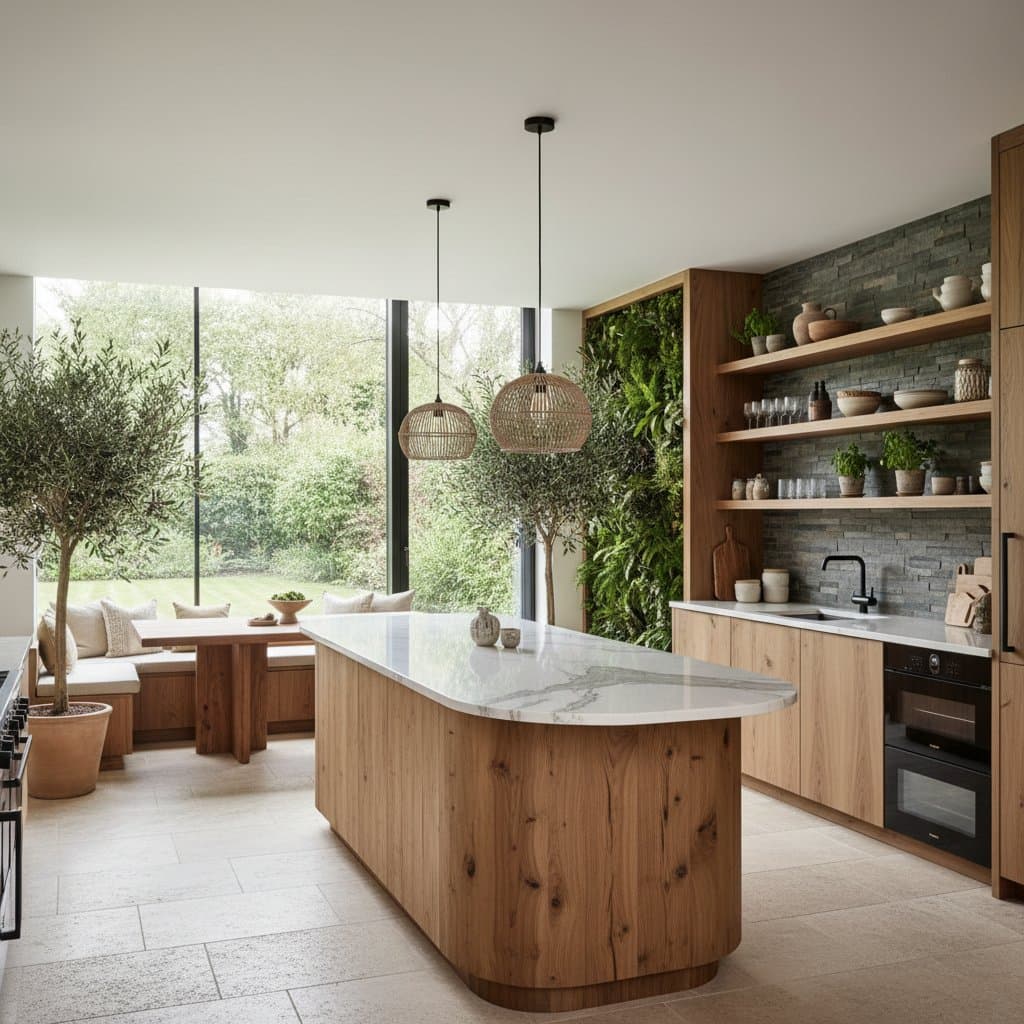
This analysis draws from the most popular kitchen images saved on leading design platforms, where natural elements and indoor plants consistently lead search trends. The emergence of biophilic kitchens signals a broader cultural desire for tranquility, genuine connections, and authenticity within living spaces. Designers integrate stone, wood, and vegetation to craft environments that engage the senses while delivering practical functionality. The following six examples illustrate how biophilic principles evolve from mere aesthetics into essential components of daily life.
1. Woodland Retreat
In a secluded cabin near the Adirondacks, Evergreen Interiors transformed a compact kitchen into a woodland haven. Reclaimed oak cabinetry lines the walls, paired with live-edge countertops that retain the irregular contours of felled trees. Potted ferns and moss-covered shelves introduce layers of greenery, while a clerestory window bathes the space in diffused forest light. This setup not only enhances air quality through plant filtration but also encourages mindful preparation of meals amid natural surroundings. The warm patina of aged wood softens the room's edges, fostering a sense of enduring stability.
2. Light and Limestone
This coastal retreat by Studio Aalto Design in Santa Barbara treats daylight as the primary design element. Pale limestone floors capture and distribute sunlight throughout the area, complemented by open shelving crafted from bleached birch to preserve unobstructed views. A generous skylight above the central island highlights the ever-changing cloud formations, linking the user to external natural cycles. Such natural illumination minimizes dependence on electric lights, which conserves energy and elevates overall well-being. The inherent texture of limestone infuses warmth into the streamlined composition, demonstrating that simplicity aligns seamlessly with organic appeal.
3. Urban Oasis
Amid the bustle of New York City, Verdant Spaces Studio designed an apartment kitchen that counters urban intensity with serene biophilic touches. Vertical gardens clad one wall, featuring succulents and trailing ivies that thrive under grow lights mimicking sunlight. Countertops of polished concrete, veined with subtle earth tones, pair with matte green cabinetry to evoke a hidden garden retreat. Integrated herb planters along the windowsill allow fresh ingredients to flourish, turning routine cooking into an interactive experience with nature. This approach maximizes limited square footage while promoting mental clarity through proximity to living elements.
4. Forest Edge
Positioned adjacent to a pine forest in Vancouver, this kitchen from Hearthline Design Co. dissolves boundaries between interior and exterior realms. Full-height glass panels slide open to a cedar-framed deck, expanding the culinary area into the treetop vista. Rift-sawn walnut cabinets and leathered soapstone surfaces introduce tactile depth that mirrors the nearby terrain. A expansive island clad in matte black steel anchors the layout and accommodates communal seating. The interplay of polished and textured finishes generates a balanced visual rhythm, evoking resilience alongside serenity.
5. Earth Tones Harmony
Terra Form Designs in Portland crafted a kitchen that celebrates earth's palette through layered natural materials. Terracotta tiles form the backsplash, absorbing heat and adding a subtle glow under pendant lights. Alder wood islands with hand-rubbed oil finishes contrast gently with woven rattan barstools, inviting touch and interaction. Scattered terrariums house air plants, diffusing soft humidity into the air. This composition not only withstands daily use but also cultivates a grounded atmosphere, where colors drawn from soil and stone promote lasting comfort.
6. Coastal Breeze
Lila Navarro Atelier infused a Miami beachfront kitchen with Mediterranean lightness. White limewash coats the walls, meeting a reclaimed teak island that withstands coastal conditions. Pale blue tiles made from recycled glass sparkle against open storage, harmonizing with the sea beyond. Teak's natural oils repel moisture and salinity, ensuring durability alongside eco-conscious choices. This design extends biophilic benefits beyond flora to encompass illumination, surface qualities, and contextual ties, revealing the versatility of nature-inspired approaches.
The Broader Shift Behind the Trend
The surge in biophilic kitchen designs aligns with a societal pivot toward meaningful connections and ecological responsibility. Individuals increasingly question excessive consumption, favoring environments that embody environmental stewardship without compromising elegance. Designers adapt by selecting salvaged resources, applying finishes low in volatile organic compounds, and honoring artisanal techniques. This evolution transcends visual appeal; it arises from a collective aspiration to decelerate and inhabit spaces with purpose.
Data from interactive design forums show marked rises in queries for phrases such as natural kitchen surfaces and integrated garden layouts. These patterns indicate that biophilic kitchens surpass transient novelty. They redefine opulence, shifting from flawless sheen to profound sensory engagement and psychological ease.
As a collector of antique ceramics and restorer of furniture using recovered timber, this direction resonates personally. Surfaces bearing narratives, complete with imperfections like faint marks or uneven grains, possess a stabilizing quality. When design draws from natural origins, it regains an intimate, individualized essence.
Implementing Biophilic Elements at Home
1. Select Natural Surfaces
Opt for countertops in honed granite or matte quartzite to introduce authentic variation. Swap glossy laminates for wood veneers or bamboo panels. These choices deliver inherent warmth and subtle patterns that artificial options fail to replicate.
2. Incorporate Living Plants
Introduce even a single container plant to alter the ambiance significantly. Hardy herbs such as rosemary or mint require little maintenance and release subtle aromas into the space. In dimmer areas, philodendrons or pothos drape elegantly from elevated shelves, enhancing vertical interest.
3. Maximize Natural Illumination
Steer clear of dense window treatments that block light. Sheer linen drapes or woven blinds diffuse sunlight effectively while preserving openness. For added seclusion, frosted glass or semi-transparent dividers temper intensity without dimming the room.
4. Curate a Restrained Color Scheme
Confine selections to two or three earthy shades, like warm beige, verdant green, and neutral white. Such restraint offers visual respite and elevates the prominence of material textures.
5. Combine Contemporary and Vintage Pieces
Pair state-of-the-art appliances with salvaged furnishings. Position a classic butcher block beside modern induction ranges to generate intriguing juxtapositions that maintain an anchored feel.
6. Integrate Sensory Details
Add elements like stone vessels for utensils or linen textiles for aprons to engage touch and sight. These accents deepen the biophilic immersion, making interactions more tactile and rewarding.
Experiencing Biophilic Design Daily
A biophilic kitchen reshapes everyday home dynamics. Sunlight glancing across a limestone surface in the morning, the aroma of fresh herbs during meal prep, the feel of wood grain beneath hands; these nuances establish a nurturing cadence.
The rising appeal of such kitchens points to a design landscape that supports physical and mental health. In an era of advancing technology within residences, these natural enclaves encourage moments of reflection, respiration, and genuine linkage to the tangible world. Through modest additions like a lone plant, a textured wall, or comprehensive updates, the core of biophilic design emphasizes mindful presence. The kitchen evolves into a sanctuary that sustains beyond mere nourishment.