
Deciding Between Refacing and Replacing Kitchen Cabinets in 2025
Kitchens serve as the heart of many homes, and updating cabinets can transform functionality and style. Homeowners face a key choice: refacing existing cabinets or replacing them entirely. This decision hinges on factors such as structural integrity, budget constraints, layout efficiency, and personal lifestyle needs. Understanding these elements ensures a practical update that enhances daily use and property value.
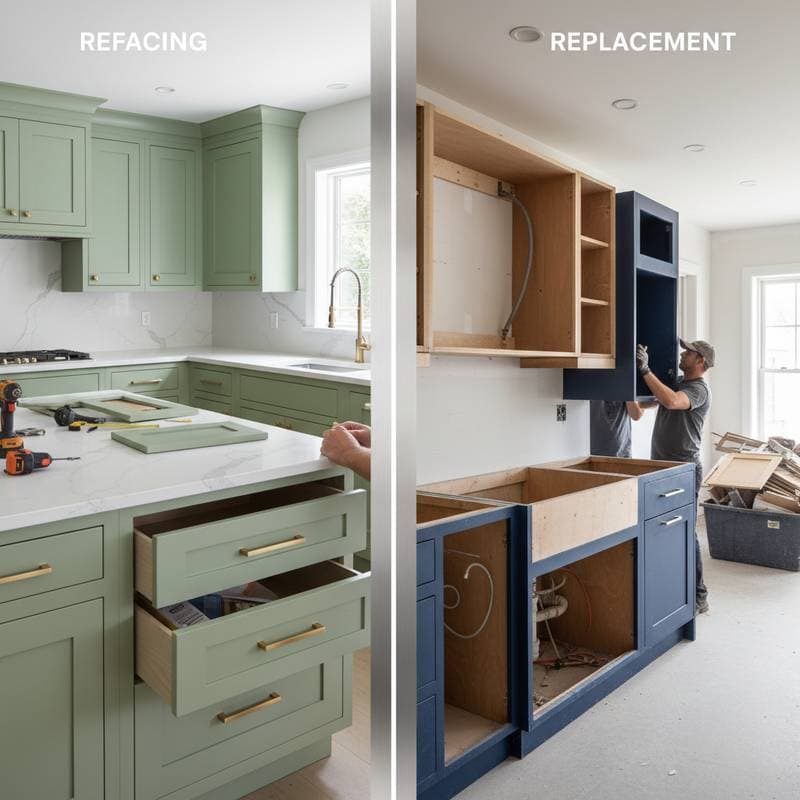
Refacing involves applying new doors, drawer fronts, and veneers to existing cabinet boxes, offering a cost-effective refresh. Replacement, on the other hand, means installing entirely new cabinetry, which allows for complete redesign. Both approaches have merits, but selecting the right one requires careful assessment. The following sections outline scenarios where each option excels, providing guidance to align choices with long-term goals.
Assess Structural Condition First
Begin by inspecting the cabinet boxes for damage or wear. Solid, stable boxes with minimal warping or rot support refacing effectively. Professionals recommend checking hinges, shelves, and interiors for signs of deterioration, such as loose joints or water damage.
If boxes remain sound, refacing preserves the original framework while updating aesthetics. This method suits cabinets over 10 years old that function well but appear dated. Conduct a thorough evaluation, perhaps with a contractor's input, to confirm viability.
In contrast, severely compromised structures demand replacement. Cracked frames, sagging doors, or pest infestations signal the need for new units. Addressing these issues early prevents further costly repairs.
Evaluate Layout and Functionality Needs
Poor layout often undermines even the most attractive cabinets. Measure traffic flow, appliance placement, and storage access to identify inefficiencies. For instance, if the refrigerator obstructs pathways or counter space feels inadequate, reconfiguration becomes essential.
Refacing works best when the current layout meets daily demands. It maintains existing dimensions, avoiding disruptions to plumbing or electrical lines. This approach ideal for minor adjustments, like adding soft-close features to drawers.
Replacement shines in layout overhauls. Install custom sizes to optimize the work triangle between sink, stove, and refrigerator. Incorporate modern elements such as integrated spice racks or lazy Susans to streamline tasks. Such changes boost efficiency, particularly in high-use households.
Balance Budget and Cost Savings
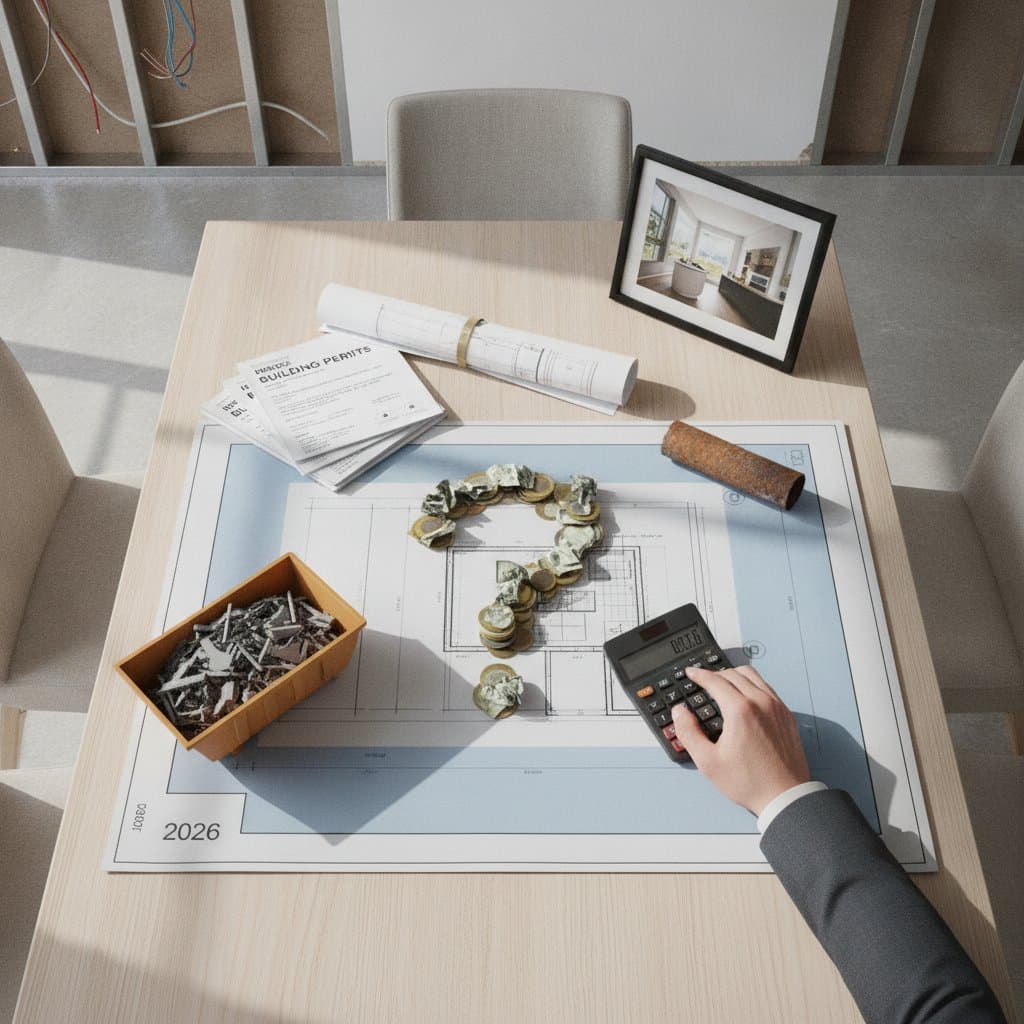
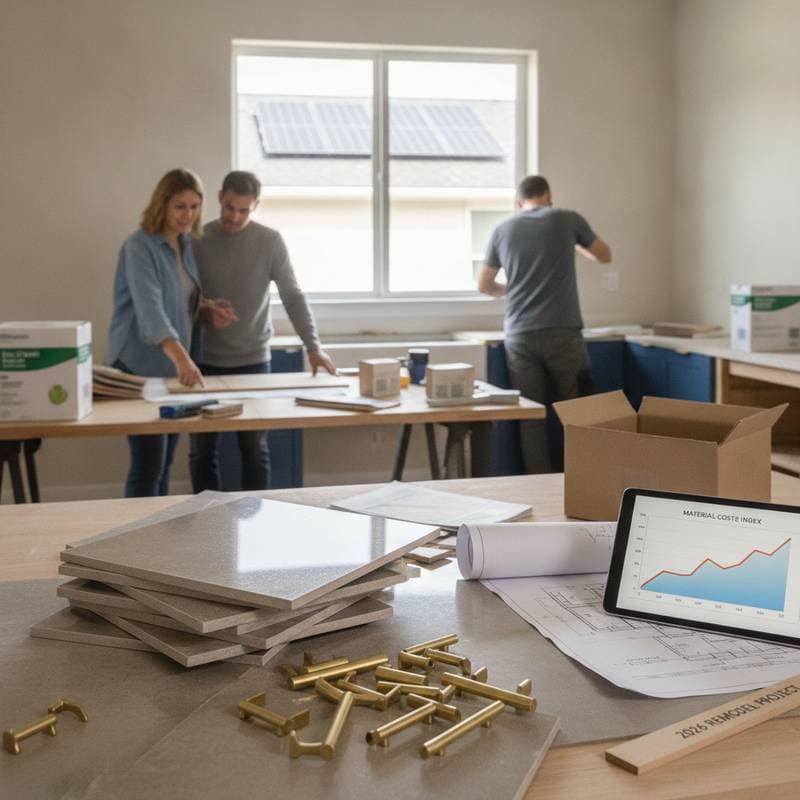
Budget plays a pivotal role in the refacing versus replacement debate. Refacing typically costs 30 to 50 percent less than full replacement, with projects ranging from $5,000 to $15,000 depending on kitchen size. Factor in labor, materials, and potential downtime when estimating totals.
Savings from refacing extend beyond initial outlay. It reduces demolition waste and installation time, often completing in days rather than weeks. Homeowners appreciate the minimal disruption, allowing continued kitchen use during the process.
Replacement justifies higher expenses through enhanced durability and customization. Expect investments of $10,000 to $30,000 for quality materials like hardwood or thermofoil. Long-term value emerges in increased home appraisal, potentially recouping 50 to 70 percent on resale.
Select Materials for Durability and Lifestyle Fit
Material choices must withstand specific household demands. Kitchens with frequent cooking or young children require robust options to resist scratches, stains, and moisture. Evaluate usage patterns, such as proximity to sinks or exposure to steam.
Refacing offers veneer upgrades, like maple or oak sealed with polyurethane for longevity. These additions provide a fresh look without discarding serviceable boxes. Opt for high-pressure laminate fronts in busy areas for easy cleaning and fade resistance.
Replacement enables advanced materials, including plywood carcasses with melamine interiors. These prevent swelling from humidity and support heavy loads. Consider soft-close mechanisms and adjustable shelving to accommodate evolving needs over decades.
Prioritize Sustainability and Waste Reduction
Environmental considerations influence modern kitchen updates. Full replacements generate significant landfill waste, with discarded cabinets contributing to deforestation and emissions. Assess the ecological footprint alongside financial aspects.
Refacing minimizes impact by reusing 70 to 80 percent of existing materials. It conserves resources and lowers manufacturing demands for new wood products. Choose providers using low-VOC adhesives to further reduce indoor air pollutants.
For replacements, seek certified sustainable options like FSC-sourced lumber or recycled content cabinets. Modular systems allow future adaptability, extending product life. These choices align with green building standards, appealing to eco-conscious buyers.
Integrate New Elements Seamlessly
Partial updates, such as adding an island, require harmony between refaced and new components. Mismatched styles can create visual discord, detracting from overall cohesion. Plan integrations to maintain a unified appearance.
Match grain patterns, hardware, and finishes across all surfaces. Use shaker-style doors for versatility in blending periods. Test samples in natural and artificial light to ensure color consistency.
Professional installation ensures precise alignment of edges and levels. This attention to detail prevents gaps or uneven lines that reveal patchwork efforts. The result appears as a comprehensive remodel, maximizing aesthetic impact.
Achieving a Functional, Lasting Kitchen
A successful cabinet update enhances both form and function. Refacing delivers quick, economical renewal for stable setups, while replacement provides transformative potential for flawed designs. Weigh structural health, spatial efficiency, financial limits, material resilience, environmental effects, and integration challenges to guide the process.
Consult experts early to tailor solutions to unique spaces. Document decisions with sketches and quotes for clarity. The outcome yields a kitchen that supports routines, withstands time, and elevates living quality.