
The 2026 Wet Room Revolution: Reduce Remodel Expenses
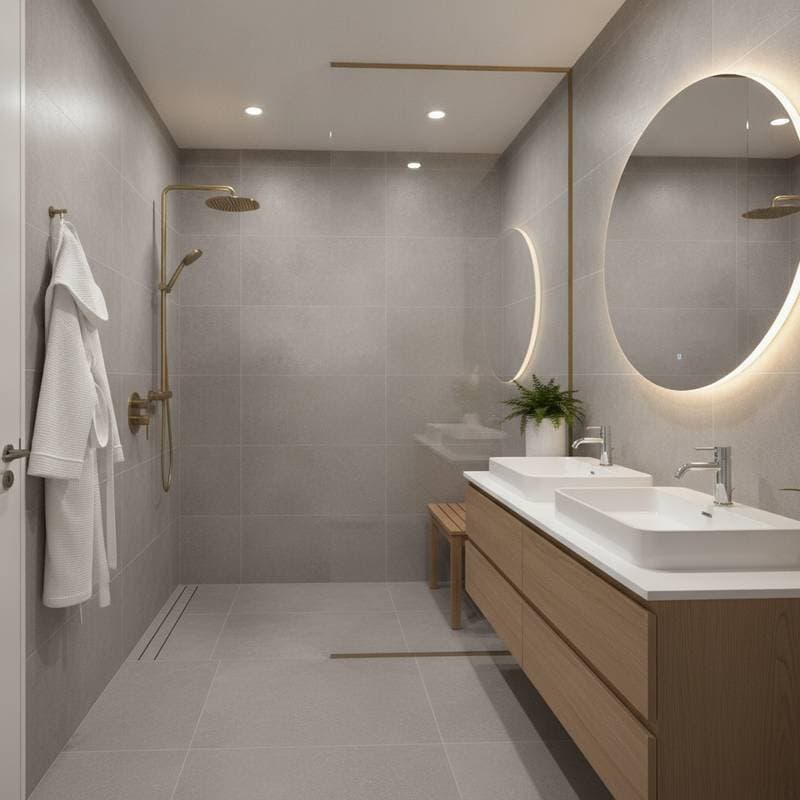
Envision entering a bathroom that evokes the serenity of a spa rather than a routine utility space. Crisp lines, a unified floor plane, and a shower zone that integrates fluidly with the surrounding area define this vision. Without cumbersome enclosures or elevated thresholds that pose tripping hazards, the design delivers an open, ventilated atmosphere that combines opulence with straightforward upkeep. Wet rooms fulfill this vision and emerge as the most intelligent approach to updating a bathroom while avoiding exorbitant renovation expenses.
Beyond visual appeal, wet rooms integrate utility, ease of access, and economic efficiency in ways that conventional renovations seldom match. Through meticulous planning and appropriate materials, individuals can develop an elegant, impervious environment that incurs substantially lower costs than a typical bathroom transformation.
Reasons Wet Rooms Reshape Bathroom Aesthetics
This movement toward wet rooms stems in part from their inherent simplicity. Standard bathrooms employ partitions, bases, and enclosures to separate zones. Wet rooms dissolve these divisions, forming a single, impervious plane. Consequently, the area appears more expansive, promotes greater openness, and operates with heightened efficiency.
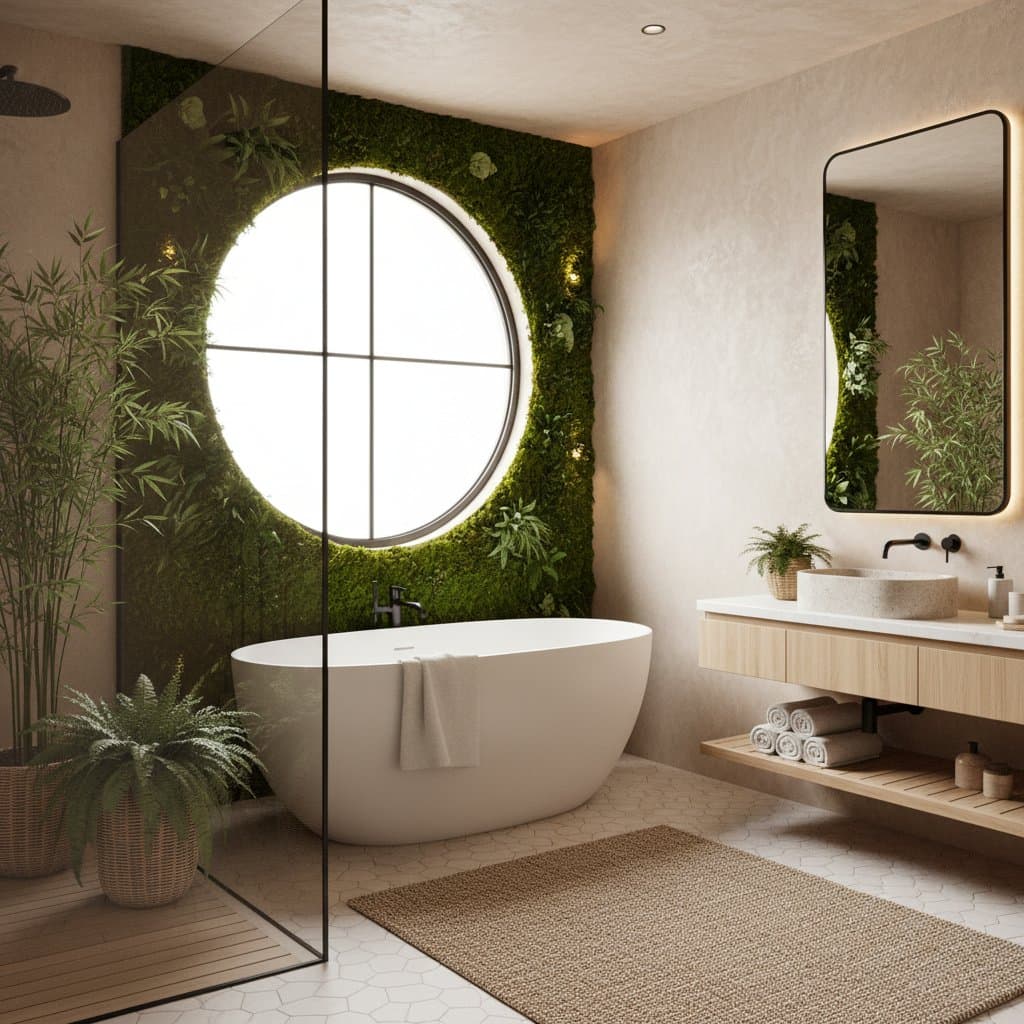
Individuals gravitate to this method because it harmonizes aesthetics with utility. The configuration accommodates confined apartments as readily as expansive residences, and it conforms to diverse aesthetics, ranging from crisp contemporary minimalism to inviting organic textures. The lack of intricate components also results in reduced material requirements and labor demands, which in turn yield direct financial benefits.
1. Defining a Wet Room
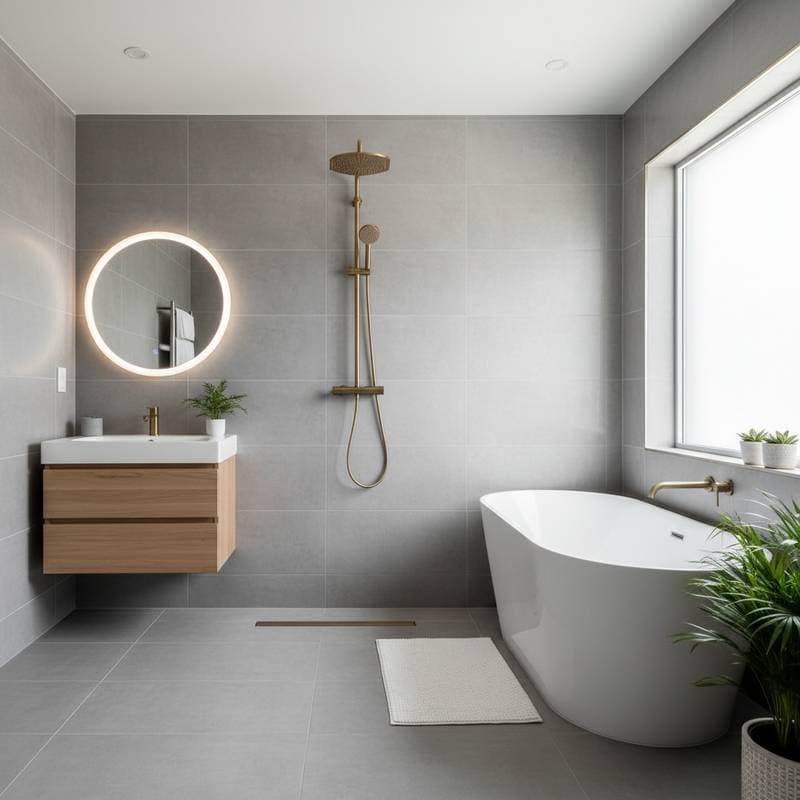
A wet room constitutes a comprehensively waterproofed bathroom in which the shower region aligns flush with the adjacent floor level. The entire floor incorporates a subtle gradient to direct water toward a centralized or elongated drain. All surfaces, including floors and lower wall portions, receive protection via impermeable liners and advanced tiling applications.
Effective drainage and sealing represent the core elements. With these aspects managed adeptly, the remaining design elements can range from basic to extravagant. Consider expansive porcelain slabs, sleek microcement applications, or subtly veined natural stone selections when the budget permits.
2. Affordability Advantages of Wet Rooms
Individuals often presume that a thoroughly sealed bathroom demands premium pricing, yet the reality frequently proves otherwise. Principal economies arise from:
- Reduced hardware needs: Elimination of shower bases, heavy doors, and raised platforms.
- Streamlined assembly: Diminished components accelerate labor and minimize plumbing modifications.
- Adaptable configurations: Prevalent areas often require no extensive structural alterations.
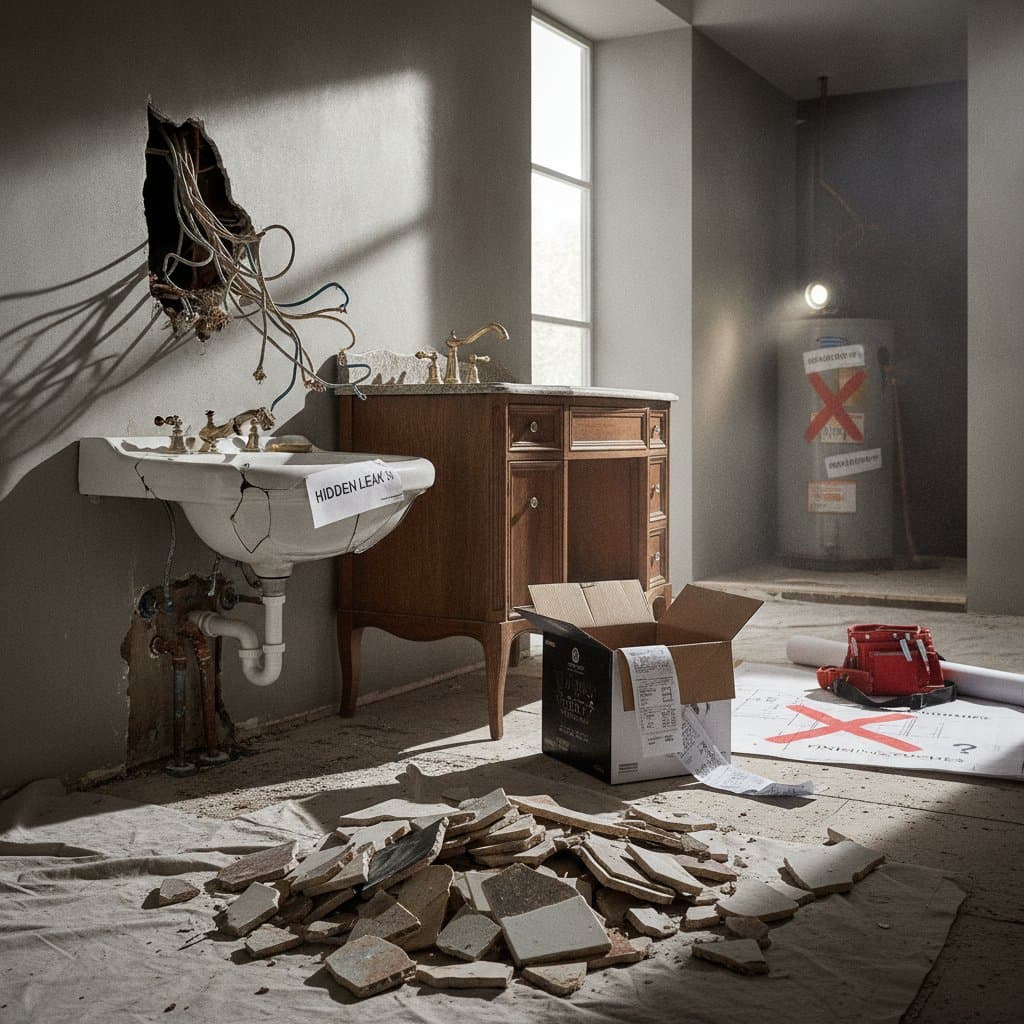
- Long-term resilience: Adept sealing averts progressive water intrusion, thereby curtailing subsequent repair expenditures.
A conventional overhaul may necessitate bespoke cabinetry, transparent dividers, and assorted connectors. In contrast, a wet room streamlines these selections. Resources can concentrate on superior tiling and drainage solutions while sustaining overall expenses well below those of standard projects.
3. Designing an Optimal Layout
Prior to selecting surface treatments or furnishings, prioritize spatial arrangement. Consider water movement patterns, storage integration, and privacy preservation.
One effective tactic places the shower zone at the room's distal end, distant from the entry point. This arrangement curtails water dispersion and preserves dryness in primary areas. For smaller bathrooms, a solitary transparent panel or segmented barrier can direct spray effectively while preserving spatial continuity.
4. Implementing Effective Waterproofing
Waterproofing forms the bedrock of a viable wet room. Omitting procedures or economizing here invites escalated future outlays. A complete tanking regimen, encompassing impermeable coatings on floors and walls, proves indispensable.
Follow this straightforward sequence:
-
Subfloor preparation: Verify cleanliness, evenness, and structural integrity.
-
Membrane application: Deploy a fluid layer or adhered sheet that adheres firmly to the substrate.
-
Joint and edge reinforcement: Apply impervious banding or compounds to fortify intersections.
-
Drainage integration: Select an extended or point drain featuring a detachable grate for simplified upkeep.
-
Surface completion: Employ textured, slip-resistant options for flooring safety.
With proper sealing, upkeep demands remain low. Routine surface cleansing and periodic grout renewal sustain optimal performance over extended periods.
5. Selecting Durable Materials
Material decisions shape both the visual character and endurance of the wet room. Oversized porcelain tiles gain favor for minimizing seam exposure and repelling dampness. For a more tactile, earthy ambiance, explore etched stone or aggregate-embedded tiles. Microcement provides a uniform, uninterrupted finish suited to contemporary settings.
Slip prevention warrants particular scrutiny. Favor subdued or embossed flooring textures. To enhance thermal comfort, incorporate radiant floor systems beneath tiled or cemented surfaces. This addition accelerates evaporation, mitigating moisture accumulation and microbial growth.
6. Harmonizing Aesthetics and Utility
An exemplary wet room extends the residence's stylistic motif rather than serving solely as a functional enhancement. Aligning palettes, illumination, and accents can render a modest area lavish. Gentle LED fixtures encircling reflective surfaces, inset ledges for essentials, and strategically positioned drying rods all amplify usability.
Storage solutions merit attention as well. Suspended consoles and affixed cabinetry preserve floor openness and the expansive aesthetic. Recessed alcoves in the shower vicinity offer practicality alongside tidy presentation.
7. Minimizing Expenses While Preserving Excellence
Budget-conscious wet rooms must never forgo sealing or outflow mechanisms; these remain essential. Economies derive from judicious design determinations.
- Restrict surface varieties: A singular motif fosters unity and curtails surplus.
- Choose moderate-grade hardware: Elegant spigots and dispersers need not carry luxury premiums.
- Handle concluding elements personally: Wall coloring, ledge mounting, or ornament placement falls within self-managed scope.
- Utilize current conduits: Retaining approximate fixture positions circumvents pipeline relocations.
Such modifications substantially lower outlays while upholding refined outcomes.
Experiencing the Benefits Daily
Upon completion, the wet room yields advantages surpassing mere appearance. Upkeep accelerates due to diminished crevices and obstructions. The unobstructed arrangement bolsters airflow, facilitating prompt desiccation. Sealed integrity offers reassurance, particularly in settings with young children or seniors, where falls and seepages pose risks.
Steps to Realize Your Wet Room
Achieving a cost-effective wet room hinges on strategic foresight and deliberate selections. Emphasize robust sealing, streamlined arrangements, and balanced material choices. This approach delivers enduring comfort, inclusivity, and subtle indulgence within fiscal bounds.