
Wet Room Remodel Costs and What Drives Them in 2026
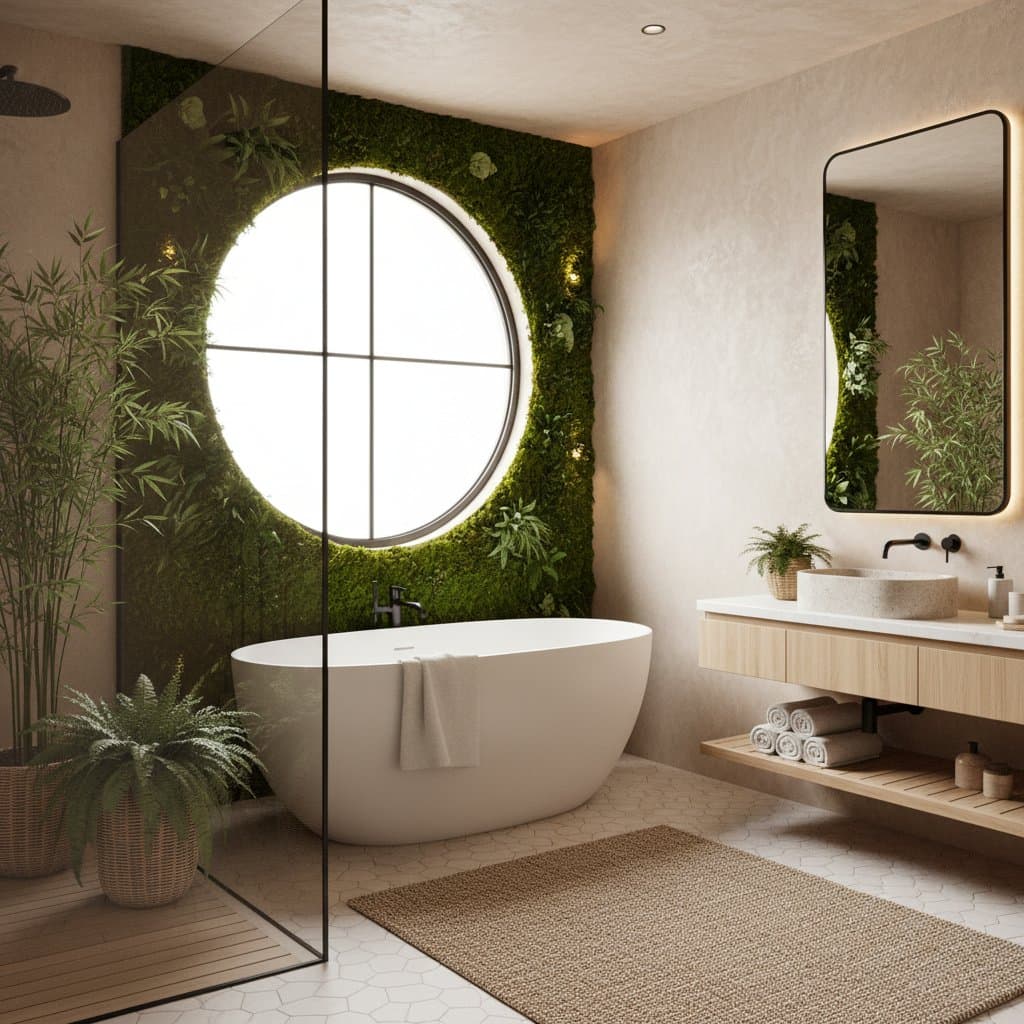
Imagine stepping into a bathroom that feels more like a private spa than a practical necessity. The air is warm. The surfaces gleam. The shower flows seamlessly across a level floor without a single step or edge to interrupt the space. That is the beauty of a wet room. It is sleek, accessible, and adaptable to homes of all sizes. Yet the cost remains one of the first questions homeowners ask. Understanding the elements that shape a wet room remodel helps you plan wisely.
What Makes a Wet Room Different
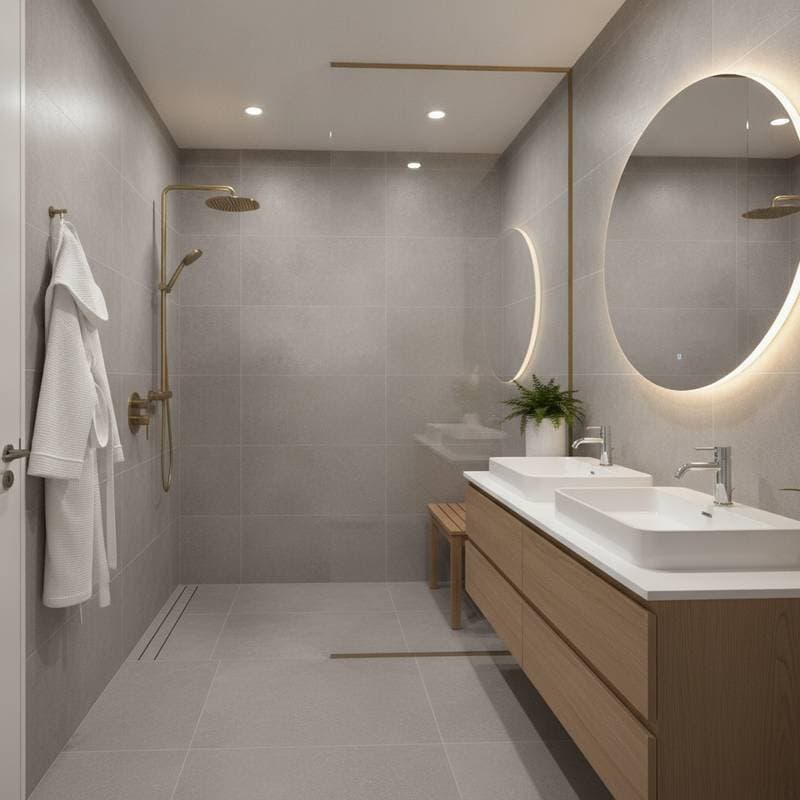
A wet room is a fully waterproofed bathroom where the shower area sits flush with the rest of the floor. No traditional tray or raised curb exists. The entire room handles moisture. The result is an open, modern space that is easier to clean and offers better accessibility for barrier-free use.
The waterproofing process, known as tanking, sets a wet room apart. Every surface from the floor to the lower walls receives a seal to prevent leaks. This foundation defines both cost and quality. When completed correctly, a wet room lasts for decades with minimal maintenance.
Understanding the Cost Breakdown
Wet room remodel prices vary based on space size, chosen materials, and plumbing complexity. Homeowners can expect higher costs than a standard bathroom remodel because waterproofing and drainage demand precision.
The following categories influence the final price:
-
Waterproofing and Tanking
Professional systems use membranes, sealants, and backer boards to create a watertight barrier. Mistakes here lead to expensive repairs. This stage accounts for a significant portion of the budget. -
Flooring and Drainage
The floor must slope toward a central or linear drain. Materials such as porcelain tile, natural stone, or non-slip vinyl each carry different costs. A linear drain offers a sleek appearance yet costs more than a round drain. -
Walls and Finishes
Large-format tiles create a seamless look. Smaller tiles add texture. Microcement or waterproof panels provide a contemporary option. Labor costs rise with complex patterns. -
Fixtures and Fittings
Showerheads, mixer valves, and controls range from basic to luxurious. Concealed fixtures require extra labor. Built-in niches, towel warmers, and underfloor heating add comfort and expense. -
Lighting and Ventilation
Good ventilation prevents humidity buildup. LED lighting and moisture-resistant fittings support long-term durability. -
Labor and Professional Services
Coordination among tilers, plumbers, electricians, and waterproofing specialists is essential. Quality workmanship prevents future leaks.
Average Price Ranges for Different Scenarios
- Compact Wet Room: Suitable for small bathrooms. Costs cover basic waterproofing, simple drainage, and mid-range finishes.
- Mid-Sized Wet Room: Includes upgraded fixtures, underfloor heating, and stylish tiles for a luxurious yet practical result.
- Luxury Wet Room: Features premium stone, custom glass, and designer elements. Integrated storage and advanced drainage push budgets higher.
Each level delivers value when design choices and installation quality align.
Factors That Increase or Decrease the Cost
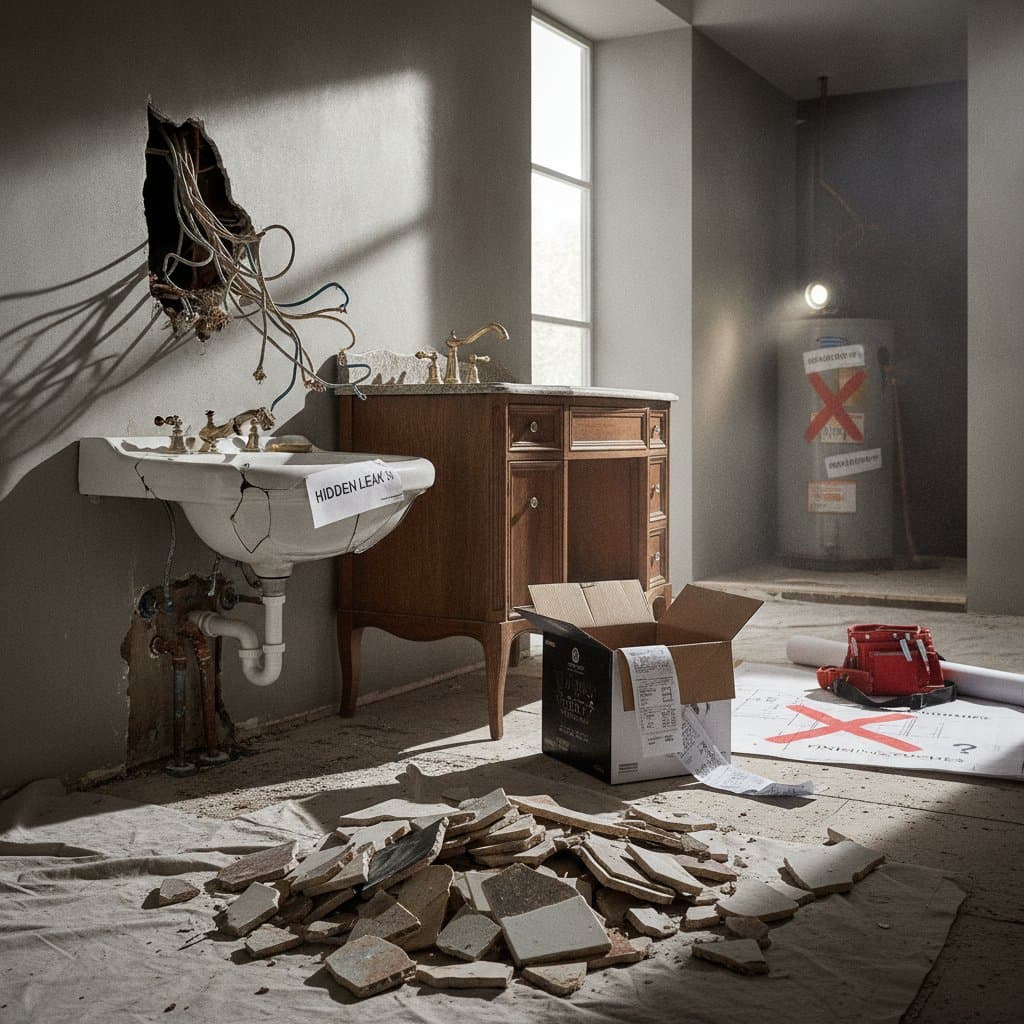
Room size and layout affect material quantities and labor time. Existing plumbing that already supports a walk-in shower lowers expenses. Structural adjustments in older homes, such as subfloor reinforcement, add complexity.
Material choices also matter. Porcelain tiles balance durability and affordability. Natural stone requires sealing. Waterproof panels install quickly. Labor expertise protects the investment. Added features such as underfloor heating increase both cost and daily comfort.
Design Choices That Balance Cost and Style
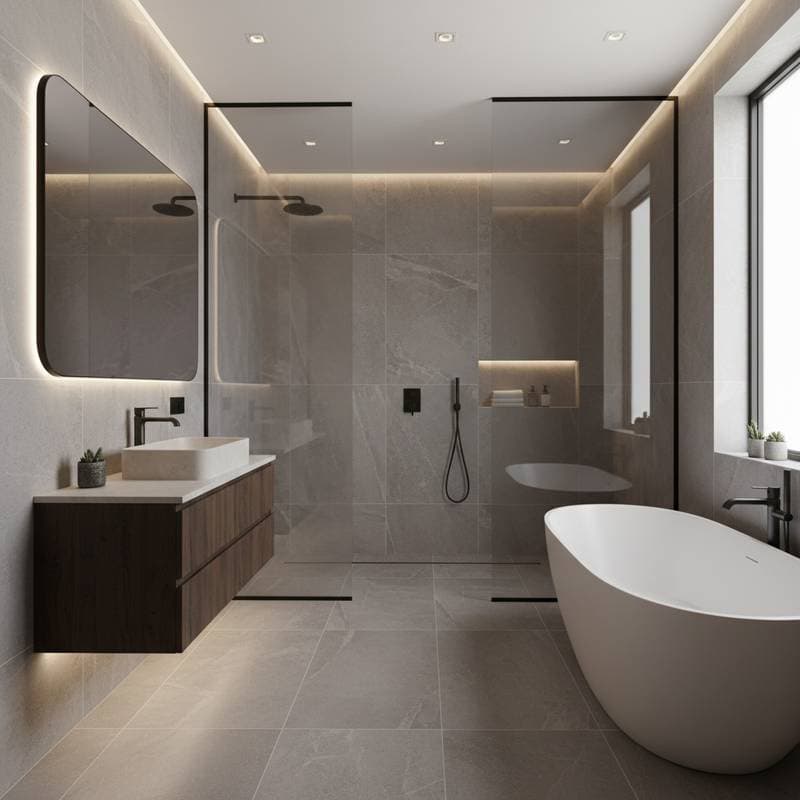
Large tiles reduce grout lines and create a spacious feel. A linear drain pairs well with these tiles. Retaining existing pipe locations saves time. Soft LED strips add ambiance at modest cost. A single glass screen maintains an open layout.
The Value of a Wet Room Remodel
A wet room adds appeal for buyers seeking modern, accessible designs. It supports aging in place. Maintenance becomes simpler because fewer edges collect grime. Proper installation protects the structure from moisture damage.
How to Keep Costs Under Control
Gather multiple quotes that detail waterproofing, drainage, and finishes. Decide on layout and materials before work begins. Combine premium accent tiles with standard field tiles. Invest first in waterproofing and fixtures. Ask contractors about package pricing. Inspect work during installation to confirm slopes and seals.
Common Misconceptions About Wet Room Costs
Small bathrooms benefit as much as large ones. The open layout makes compact spaces feel brighter. Maintenance is straightforward because continuous surfaces clean easily. Waterproofing is never optional. Skipping this step risks leaks and structural damage.
Planning Your Wet Room Project
Set a realistic budget that covers essentials and select finishes. Choose materials that match your maintenance preferences. A well-designed wet room combines function, beauty, and durability. It turns daily routines into calm moments and adds lasting value to your home.