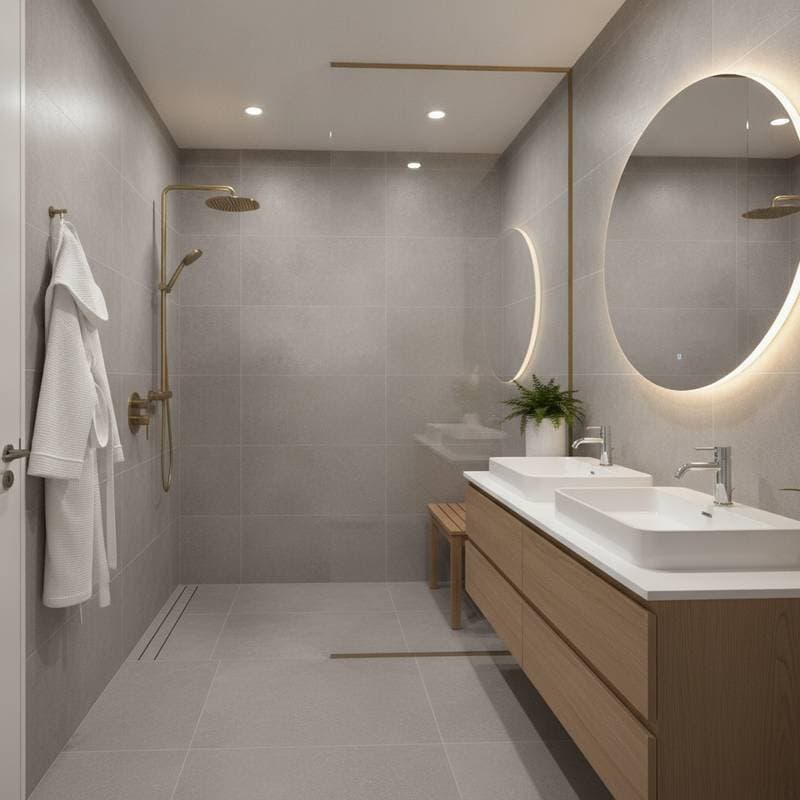

Wet Room Remodeling Costs in 2026
Wet rooms offer a sleek, accessible bathroom design. Yet many projects exceed initial estimates because homeowners overlook key technical requirements. This guide presents current price ranges, identifies frequent cost drivers, and outlines practical steps to maintain control over expenses.
Average Project Costs
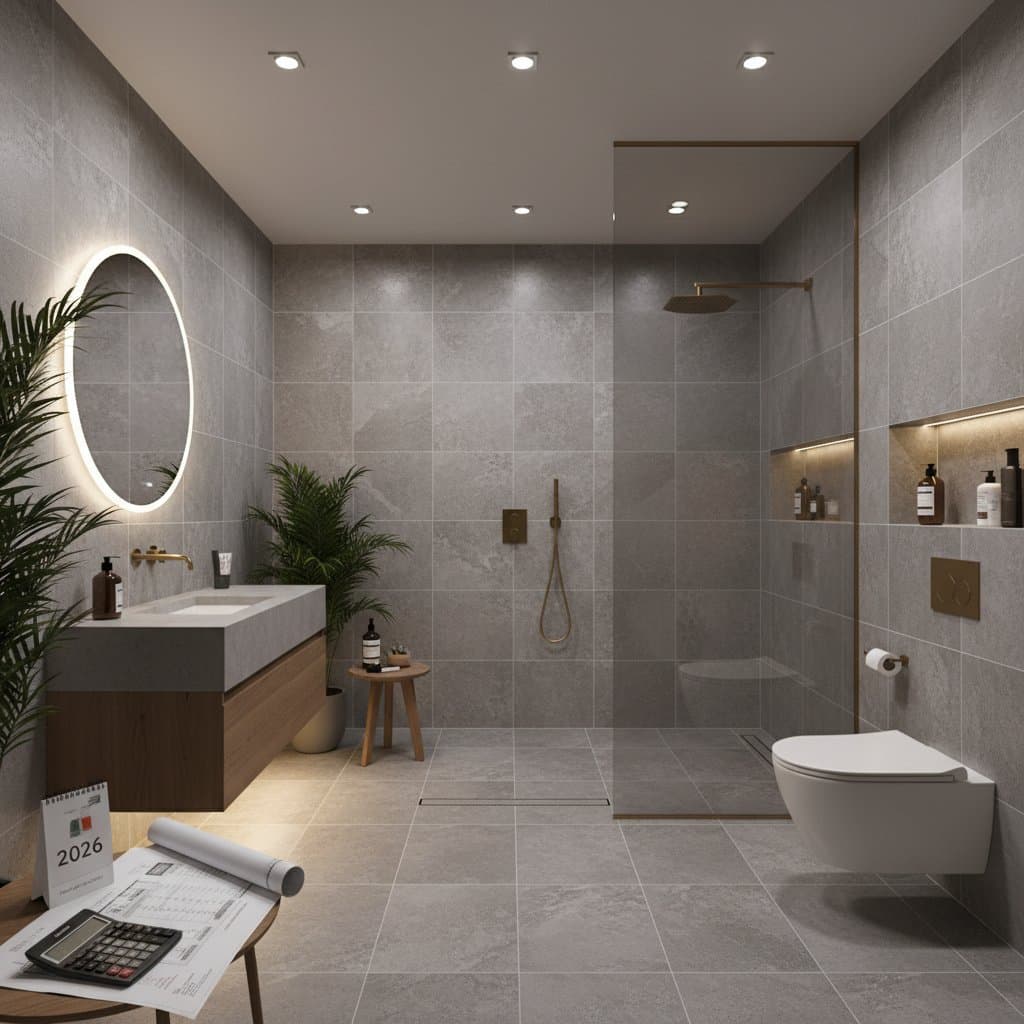
Costs vary by scope and finishes. For a standard residential wet room of 40 to 70 square feet, expect the following ranges:
- Low budget remodel: 12000 to 18000 dollars
- Mid range remodel: 19000 to 30000 dollars
- High end remodel: 31000 to 55000 dollars
Projects that involve major structural changes or premium materials often exceed 60000 dollars. Waterproofing forms a substantial portion of any budget. Professional installation of a complete system typically ranges from 4000 to 7000 dollars.
Structural and Hidden Costs
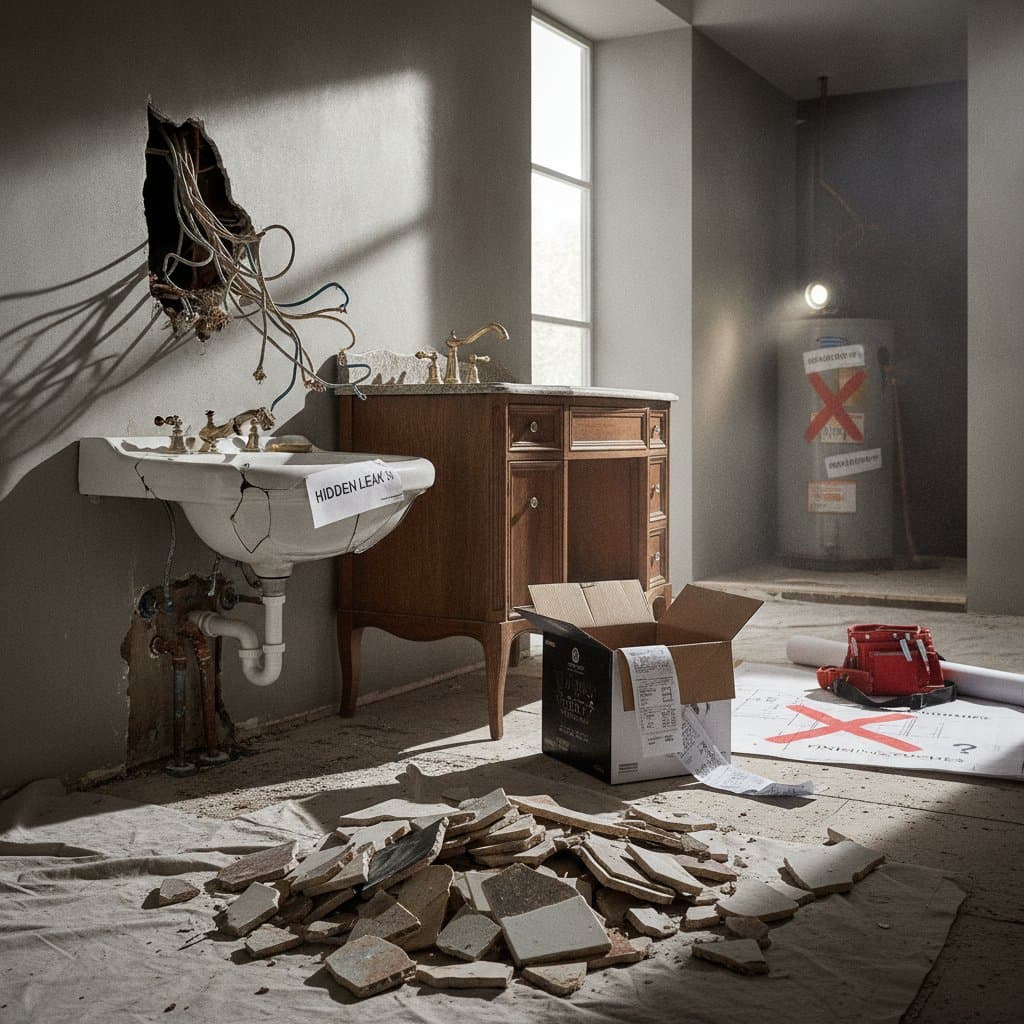
Accurate floor slope and subfloor reinforcement prevent leaks and standing water. These modifications usually add 1500 to 4000 dollars. Local code compliance, including inspections and certifications, contributes another 300 to 700 dollars.
Early integration of drainage and waterproofing reduces later change orders. Late additions frequently trigger the largest overruns.
Strategies to Control Spending
- Obtain an itemized bid that separates materials from labor.
- Choose durable mid grade finishes such as porcelain tile that replicate higher end looks.
- Hire a single design build firm to coordinate plumbing, tiling, and waterproofing for potential savings of 10 to 15 percent.
- Reserve 10 to 15 percent of the total budget for unforeseen repairs.
- Engage a certified bathroom designer before construction begins. Design fees of 1000 to 2500 dollars commonly reduce later corrections.
Regional Price Differences
Labor rates in major cities such as New York, San Francisco, and Seattle elevate costs by 20 to 35 percent above national averages. Rural locations may reduce labor expenses, yet material transport and limited specialist availability can erase those gains.
Ongoing demand for accessible bathrooms continues to push material and labor prices higher. Securing firm quotes early helps lock in current rates.
Choosing the Right Contractor
Verify the following qualifications before signing a contract:
- Current plumbing and tile installation licenses
- Manufacturer training in waterproofing systems
- Adequate insurance for water damage claims
- A portfolio of completed wet room projects
Request a minimum five year written warranty on waterproofing workmanship. Product warranties alone do not cover installation errors.
Long Term Value and Maintenance
A well executed wet room can return 55 to 70 percent of its cost at resale. Low maintenance follows when ventilation and seals receive proper installation. Annual inspections of grout and drains protect against water damage.
Barrier free design also improves safety for all ages. Detailed service records support higher asking prices during future sales.
Frequent Mistakes to Avoid
- Relying on consumer grade waterproofing kits that lack durability under constant moisture.
- Installing a single drain in larger spaces without evaluating flow requirements.
- Routing exhaust into an attic instead of outdoors, which promotes mold growth.
- Prioritizing decorative fixtures before confirming waterproof integrity.
Protecting Your Completed Wet Room
Schedule yearly checks of seals and drainage. Clean accessible drains on a monthly basis. Reapply surface sealers according to manufacturer intervals. Consistent care preserves both performance and warranty coverage.