

What Covers Damage in Remodeling Claims?
Picture a freshly renovated kitchen with gleaming countertops and seamless cabinetry. A short time later, water appears beneath the sink or a fissure appears in the tile. Such discoveries shortly after a major project frustrate many homeowners and prompt questions about coverage and responsibility.
Knowledge of remodeling damage claims safeguards your property, finances, and tranquility. For projects ranging from a single room to a full overhaul, clarity on covered and excluded elements proves essential.
Key Elements of Remodeling Damage Coverage
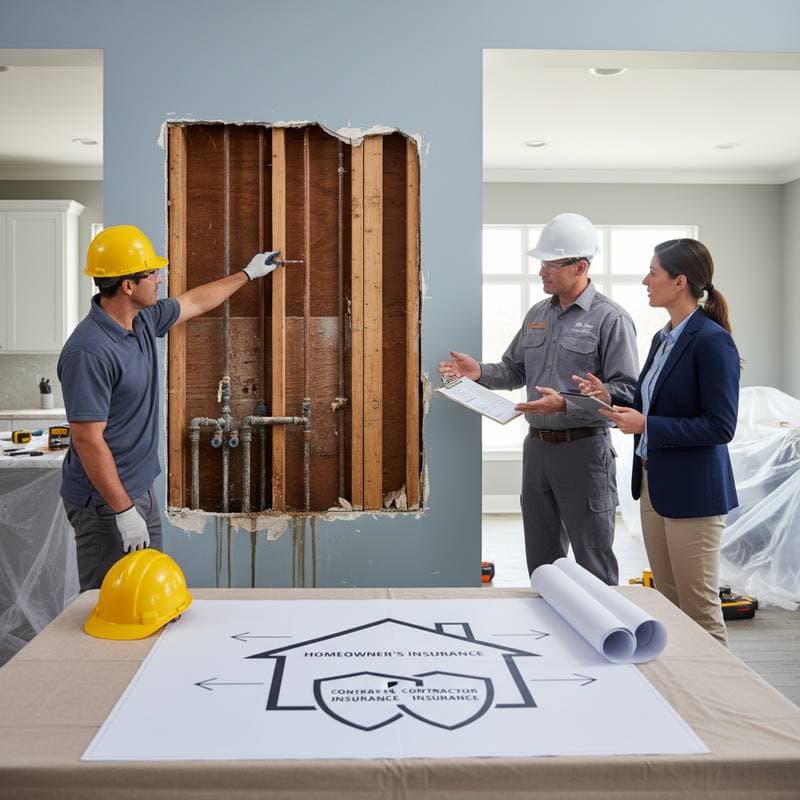
Remodeling projects involve shared responsibilities among parties. Homeowner's insurance, contractor's liability policies, and specialized endorsements each address distinct damage scenarios based on the incident's nature.
Homeowner's insurance typically shields against perils such as fire, theft, and specific water events. Construction alters this landscape; policies often mandate notification of major work to adjust for increased value and risks, including coverage for new installations like custom fixtures.
Contractor's insurance focuses on harms arising from their operations or errors. Examples include a worker shattering a mirror during installation or drilling into a water line; general liability provisions cover resulting repairs and related costs.
Proper alignment of these policies streamlines claim resolutions. Gaps or ambiguities, however, lead to disputes that delay progress.
Common Damage Types and Applicable Coverage
Renovations inherently involve risks across phases like demolition, assembly, and completion. Coverage hinges on the event's cause and timing.
-
Accidental Property Damage
Contractors may inadvertently mar surfaces, such as gouging floors during furniture relocation or cracking walls while routing cables. Their general liability insurance addresses these repairs. Request certificates of insurance upfront, verifying at least $1 million in coverage per occurrence. -
Water Damage from Remodeling Activities
Modifications to plumbing or fittings occasionally result in leaks. Contractor error, like improper sealing of pipes, falls under their policy for cleanup and restoration. Pre-existing deterioration, such as rust in aging lines, shifts responsibility to homeowner's coverage, potentially requiring an endorsement for sudden leaks. -
Fire or Electrical Incidents
Rewiring or fixture upgrades carry spark risks from loose connections or overloaded circuits. Faulty installation triggers contractor liability for initial fixes. If flames extend to unaffected areas, homeowner's policy activates for comprehensive mitigation, including smoke damage assessment. -
Structural or Foundation Concerns
Excavation or load-bearing alterations can compromise stability if equipment overloads supports. Negligent practices invoke contractor coverage for engineering evaluations and reinforcements. Undetected prior flaws, however, may exclude claims, necessitating pre-project inspections by licensed engineers. -
Defects in Materials or Products
Failures like delaminating laminate or fracturing stone often stem from production flaws rather than installation. Pursue manufacturer warranties for replacements, which typically span 1–10 years. Insurance rarely applies here unless installation exacerbates the defect.
Preparation Steps Before Remodeling Begins
Proactive measures minimize future claim complications. Address these essentials prior to signing contracts.
- Consult your insurance agent about project scope; obtain written confirmation of coverage adjustments, such as temporary builder's risk endorsements for materials on site.
- Demand proof of contractor's general liability and workers' compensation insurance; cross-check with state licensing boards for validity.
- Capture high-resolution photographs and videos of all areas, including hidden spaces like attics, timestamped for evidentiary value.
- Scrutinize the contract for clauses on damage liability, including provisions for site security, waste disposal, and interim protections against weather.
These actions establish accountability and provide a baseline for any disputes.
Steps to Handle a Remodeling Damage Claim
Prompt response to incidents preserves options and evidence. Follow this sequence methodically.
- Record the damage thoroughly with dated images, measurements, and descriptions of circumstances.
- Inform the contractor without delay; halt unrelated work if safety demands it, but avoid self-repairs that could void coverage.
- Report to your insurer within policy timelines, often 24–72 hours, supplying initial documentation for claim initiation.
- Maintain records via email or certified mail for all interactions, detailing agreements and timelines.
- Monitor progress with weekly check-ins; escalate to supervisors if delays exceed 30 days.
Organization accelerates settlements and reduces out-of-pocket expenses.
Collaborating for Effective Claim Resolution
Claims during renovations test relationships, yet cooperation yields faster outcomes. Homeowners and contractors share the goal of a durable, appealing result.
Designate a single point of contact per party to streamline discussions. If disagreements persist, involve your adjuster for impartial evaluation or hire an independent appraiser for binding assessments. Mediation services through local builder associations resolve many impasses without litigation.
Safeguarding Your Renovation Investment Long-Term
With renovations complete, integrate insurance updates into your routine. Notify carriers of value increases from additions like expanded living areas or high-end appliances to avoid underinsurance penalties.
Retain all project files, including warranties and inspection reports, in a secure digital archive. Periodic policy reviews, annually or post-major changes, ensure ongoing alignment with your home's evolving profile.
This integrated approach transforms insurance from a reactive tool into a proactive shield, allowing you to relish your enhanced living space with assured protection.