
Prioritizing Structure in 2026 Open-Concept Remodels
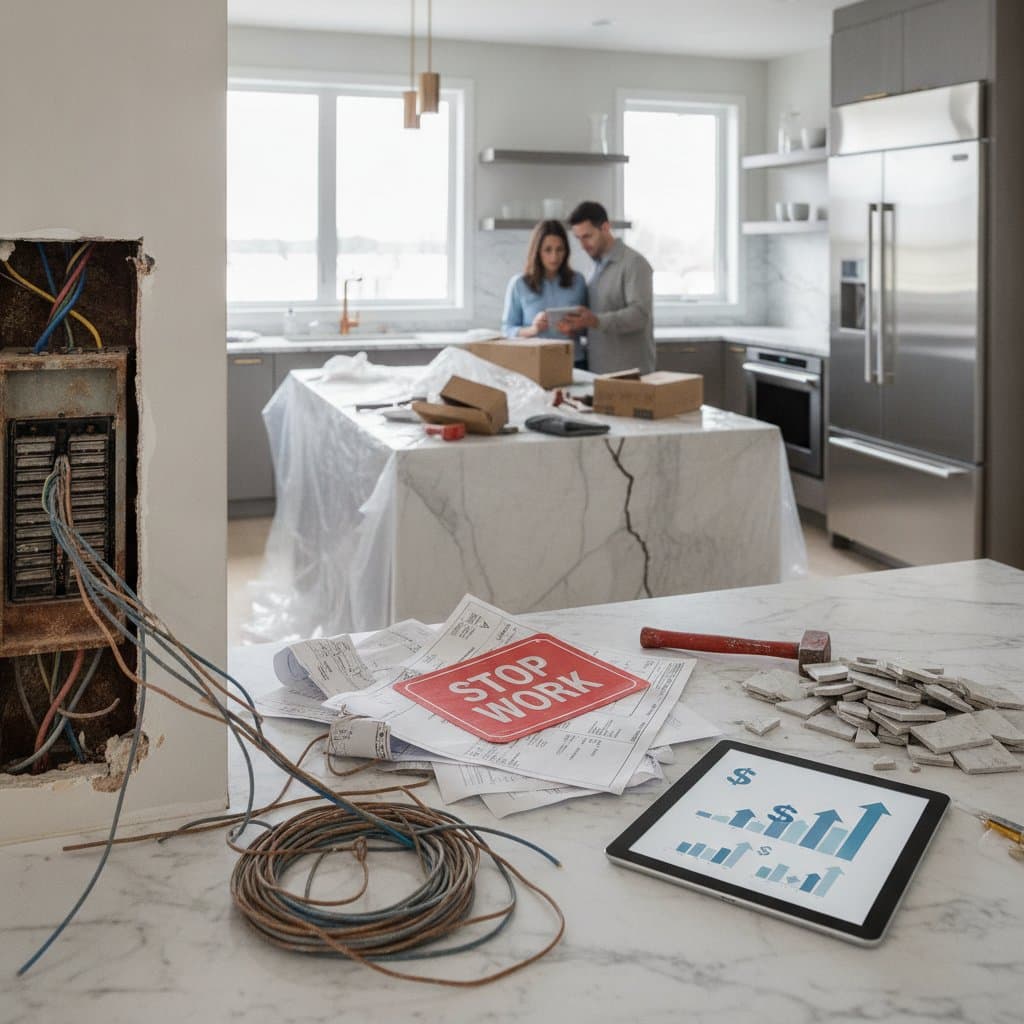
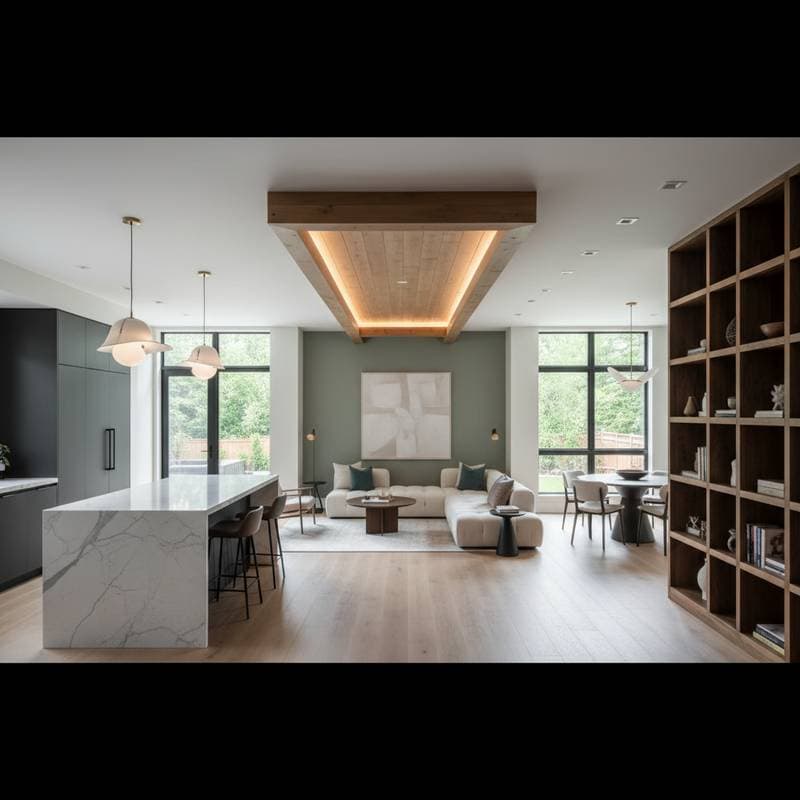
Open-concept designs continue to gain popularity for their ability to foster connection and maximize natural light. However, achieving this openness requires careful attention to structural elements from the outset. Homeowners often encounter challenges with costs, functionality, and long-term durability when rushing into aesthetic changes. Professional remodels succeed by establishing a solid foundation first, which prevents expensive revisions later. This approach ensures that budgets remain manageable while delivering spaces that enhance everyday living.
The following guidelines outline essential steps for a successful open-concept project. Each focuses on integrating structure with practical design choices to create balanced, efficient environments.
1. Establish Structural Integrity First
Problem: Removing walls without proper planning leads to unforeseen expenses and compromises safety.
Context: Many families envision a seamless kitchen-living area, yet discover load-bearing walls that demand complex reinforcements.
Solution: Consult structural engineers early to assess walls and plan beam installations. Prioritize this phase before any cosmetic work to avoid disruptions.
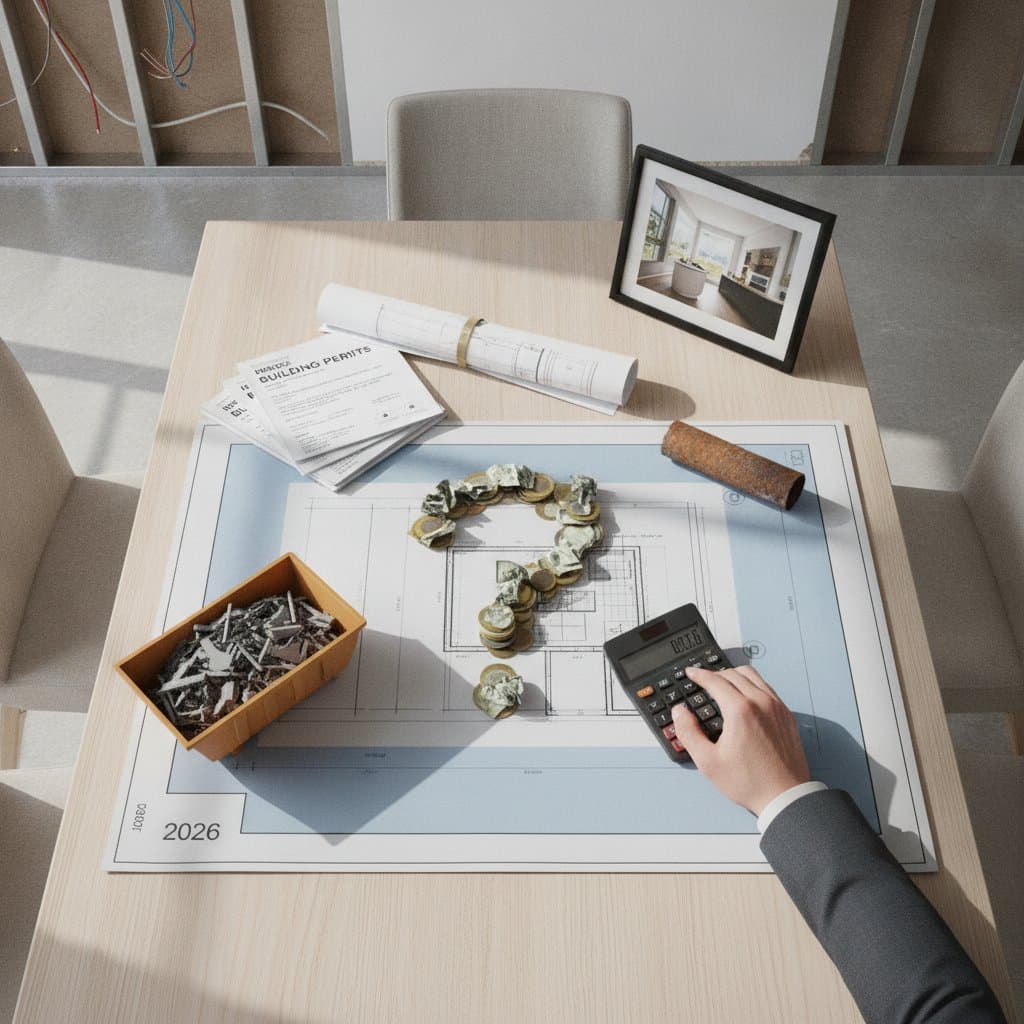
Technical Detail: Engineered lumber beams offer cost-effective support compared to steel, often reducing costs by 20 to 30 percent. Ensure permits and inspections align with local building codes for compliance.
Benefit: A stable framework allows creative freedom in later stages, safeguarding investments and ensuring the space withstands daily use.
2. Maintain Clear Circulation Paths
Problem: Without defined routes, open spaces lead to cluttered movement and inefficient layouts.
Context: In a combined kitchen and living area, family members frequently navigate through active cooking zones to access other parts of the home.
Solution: Sketch primary traffic flows during initial planning. Designate walkways of at least 36 inches wide in high-use areas and reroute paths away from work zones.
Technical Detail: Incorporate subtle flooring changes, such as varying tile patterns or low-threshold transitions, to guide movement visually without physical barriers.
Benefit: Enhanced safety reduces accident risks, while intuitive navigation simplifies furniture arrangement and promotes smoother daily routines.
3. Integrate Lighting for Enhanced Flow
Problem: Open layouts can create uneven illumination, making spaces feel disjointed or underutilized.
Context: Natural light from windows often fails to reach deeper areas, leaving corners dim during evening hours.
Solution: Layer lighting sources from the planning stage. Combine recessed ceiling fixtures, pendants over key zones, and task lighting to distribute brightness evenly.
Technical Detail: Aim for 300 to 500 lux in general areas and higher in work zones like countertops. Use dimmable LEDs to adapt to different times of day and activities.
Benefit: Well-lit spaces improve visibility and mood, fostering a sense of unity and making the open design more inviting for gatherings.
4. Address Acoustics from the Start
Problem: Echoes in expansive areas disrupt conversations and amplify household noises.
Context: During a family remodel, the absence of walls allows sounds from cooking or media to interfere with relaxation in adjacent zones.
Solution: Select materials that absorb sound during the design phase. Include rugs, soft furnishings, and wall treatments to dampen reverberations.
Technical Detail: Choose panels with a Noise Reduction Coefficient exceeding 0.7 for effective absorption. Add insulation, such as mineral wool, in dropped ceilings or behind feature walls.
Benefit: Reduced noise levels create a serene atmosphere, supporting focused work, restful evenings, and enjoyable social interactions.
5. Phase the Project to Control Costs
Problem: Overlapping structural and finishing tasks inflate expenses unexpectedly.
Context: Initial wall removal often reveals the need for uniform flooring or updated cabinetry to unify the space.
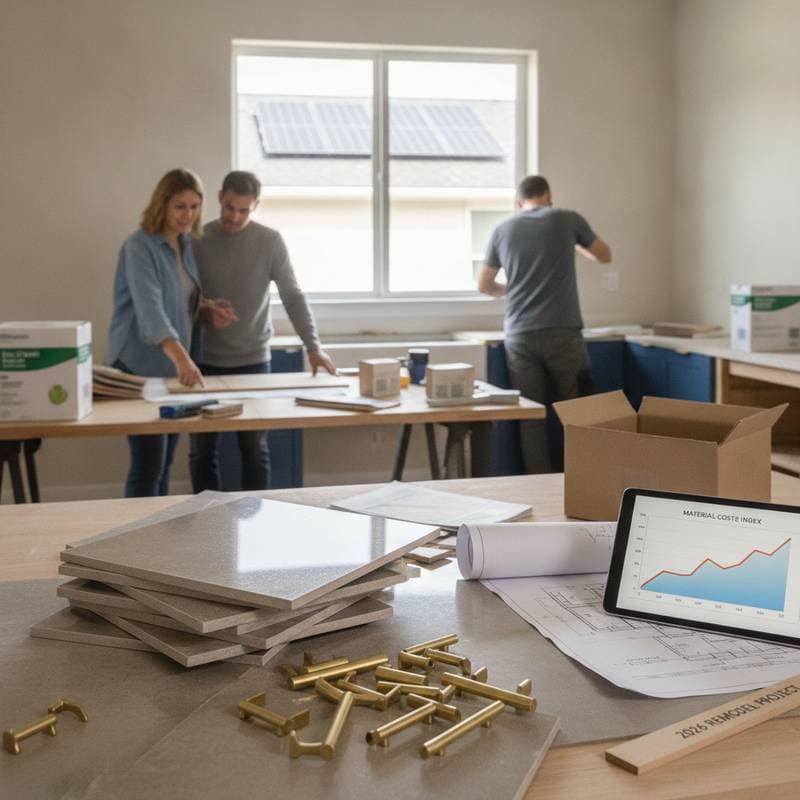
Solution: Divide the remodel into distinct phases: structure first, followed by utilities, surfaces, and decor. Allocate budgets per stage to monitor progress.
Technical Detail: Load-bearing wall modifications vary in price; simple beam installations start around $2,000, while complex steel supports exceed $10,000. Obtain detailed quotes to pinpoint efficiencies.
Benefit: Staged execution provides flexibility for adjustments, prevents financial overload, and ensures steady advancement toward a cohesive open layout.
6. Balance Proportions and Scale
Problem: In vast open areas, mismatched furniture disrupts harmony and usability.
Context: Compact homes with large islands or sofas overwhelm the volume, hindering movement and visual appeal.
Solution: Measure the room's dimensions and select elements that align with its scale. Focus on pieces that serve multiple functions without dominating the space.
Technical Detail: Provide 42 inches of clearance around islands for traffic. Match fixture sizes to surfaces, such as pendants 24 to 36 inches wide over 48-inch counters.
Benefit: Proportional designs promote comfort and flow, resulting in an environment that feels spacious yet intimate and easy to navigate.
Incorporating Storage Solutions
Problem: Open plans lack built-in division, leading to scattered belongings and reduced organization.
Context: Without walls, items from various activities blend, creating visual clutter in shared areas.
Solution: Build in multifunctional storage early. Use islands with cabinets, wall-mounted shelves, and hidden compartments to maintain tidiness.
Technical Detail: Opt for soft-close drawers and pull-out organizers in kitchen zones. Integrate vertical storage like tall pantries to preserve floor space.
Benefit: Organized storage enhances functionality, keeps surfaces clear, and supports a clutter-free aesthetic that endures over time.
Applying These Principles Daily
Successful open-concept remodels adapt to real-life needs, prioritizing durability over temporary styles. By focusing on structure, flow, and thoughtful details, homeowners create versatile spaces that evolve with family dynamics. Evaluate each decision against how it improves usability and comfort, ensuring the final design delivers lasting satisfaction and value.