
Slash Laundry Remodel Costs with 2025 Layout Strategies
Every home contains a space that prompts quiet complaints during routine tasks, such as loading an aging washing machine. In one instance, the laundry room resembled a cluttered backstage area rather than a functional retreat, featuring peeling vinyl flooring, an unstable ironing board, and unreliable electrical outlets. The vision of an updated space with efficient cabinetry, drying rails, and organized storage seemed unattainable due to budget constraints.
Initial contractor quotes suggested expenses that rivaled major home improvements, prompting a search for cost-effective layout solutions. These approaches focus on practical reconfiguration rather than lavish additions, allowing homeowners to achieve a sleek, efficient laundry or mudroom while preserving financial resources. The following strategies, drawn from real-world applications, emphasize thoughtful planning to deliver style, utility, and personalization.
Prioritize Layout Planning Over Premium Fixtures
Homeowners often begin remodels by selecting high-end tiles or fixtures, yet true economies arise from optimizing the layout first. Dedicate time to precise measurements, detailed sketches, and an analysis of daily usage patterns to identify inefficiencies.
Consider essential questions: Does folding occur in the laundry room, or is laundry transported elsewhere? Is a fixed drying rack necessary, or would a retractable clothesline suffice? In one project, the countertop above the washer proved underutilized for folding, so it was shortened to accommodate a pull-out basket drawer, freeing up floor space. Flat-pack kitchen cabinets were repurposed around existing plumbing, reducing custom fabrication costs significantly; a fresh coat of paint ensured they blended seamlessly with the design.
Integrate Multiple Functions into a Unified Space
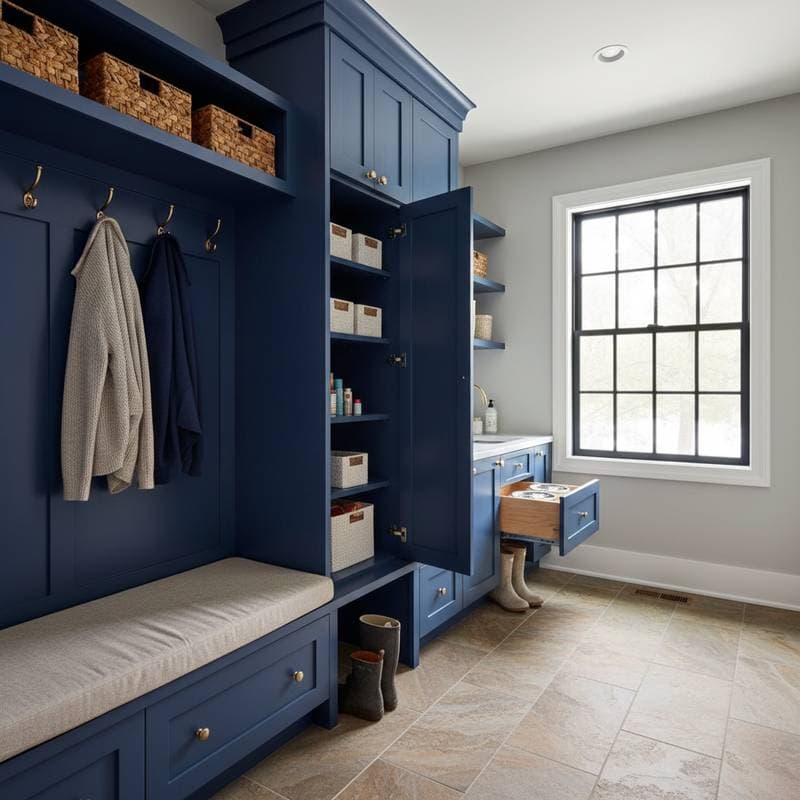
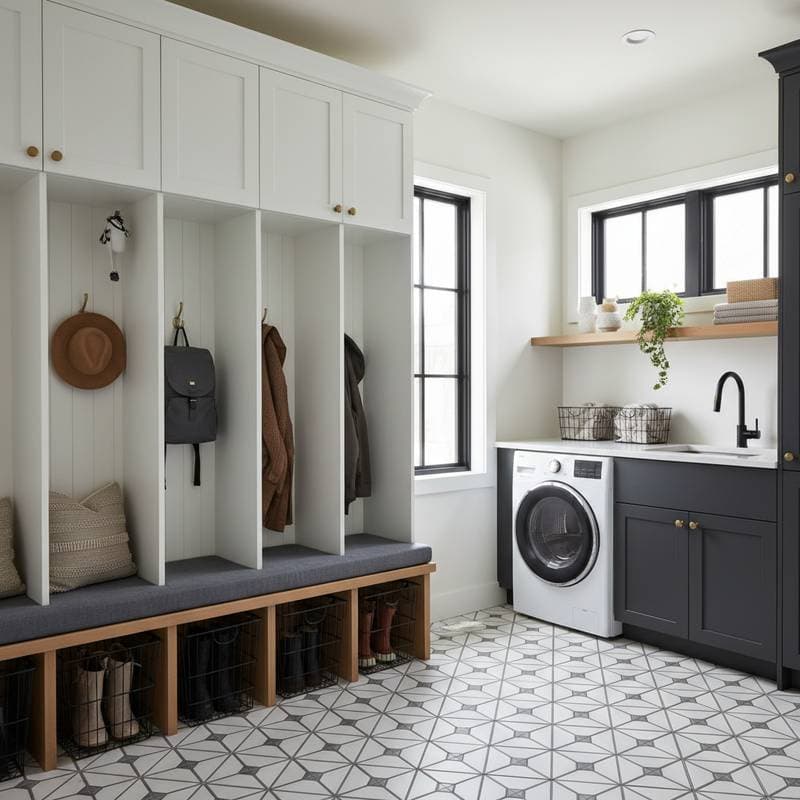
Adjoining areas like mudrooms or utility spaces present opportunities for consolidation, which minimizes expenses compared to separate installations. Install shared elements such as coat hooks and a storage bench beneath a counter that conceals the washing machine, allowing baskets for shoes and the bench to serve as a folding surface.
This integration reduces demands on flooring, lighting, and plumbing while streamlining cabinetry and worktops. Maintain flexibility through versatile features, like open shelves that store cleaning supplies alongside seasonal items such as hats and gloves. Uniform material choices across zones create a cohesive, purposeful appearance.
Optimize Existing Plumbing and Electrical Systems
Relocating pipes or wiring accounts for a substantial portion of remodel budgets, so evaluate current placements carefully. If the washer and sink positions align with practical needs, design cabinetry to accommodate them without alteration; one estimate indicated that shifting a drain line by mere feet could double labor charges.
For electrical needs, incorporate cable management solutions and appliance-specific extension outlets to avoid new installations. Verify the safety and capacity of existing wiring through a professional inspection, particularly in older homes, to prevent future complications. Such proactive steps safeguard long-term savings.
Select Affordable Materials That Mimic High-End Finishes
Luxurious appearances need not require premium budgets; innovative alternatives deliver comparable aesthetics at lower costs. Laminate countertops with subtle marble veining offer durability, easy maintenance, and significant savings over natural stone.
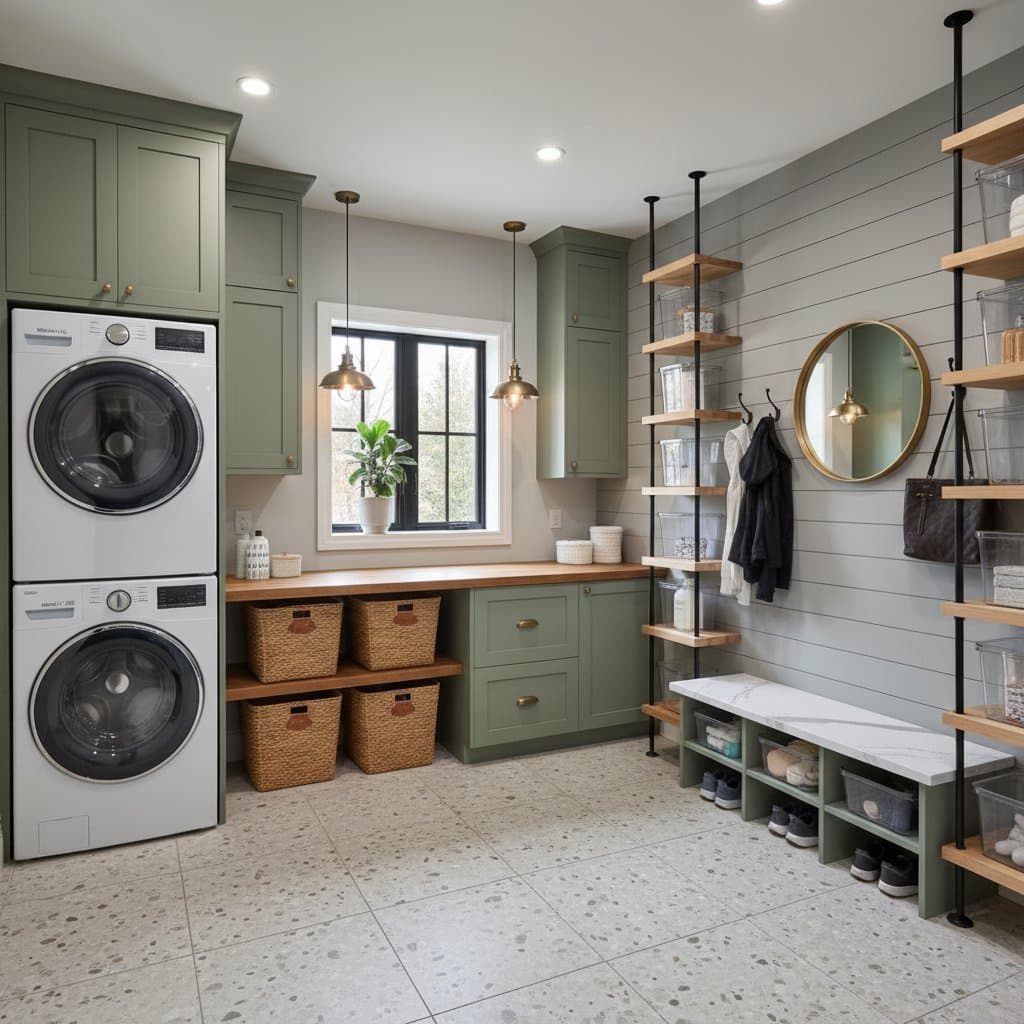
Modern vinyl plank flooring provides water resistance, comfort, and realistic wood grains, evolving far beyond outdated designs. Transform basic cabinetry with high-quality paint, such as a sophisticated sage green sealed in satin for an upscale sheen. Upgrade hardware by replacing standard knobs with brushed metal pulls to elevate the overall bespoke quality.
Maximize Vertical Storage Solutions
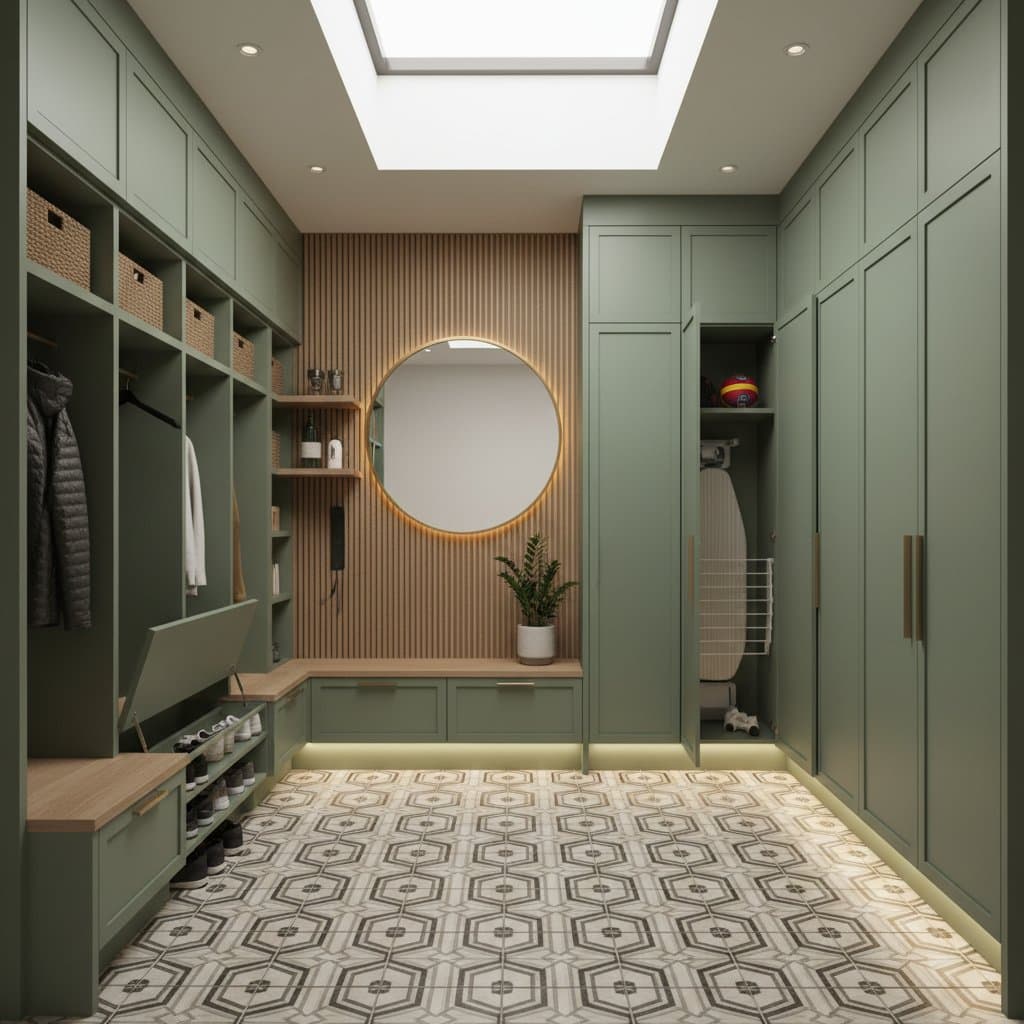
In compact rooms, vertical elements expand usable space without encroaching on the floor. Install full-height cabinets or ceiling-reaching shelves to store items efficiently and enhance the perception of height.
Position a drying rail above the counter for garments, reducing ironing demands and maintaining clear surfaces. Utilize door-mounted hooks for tools like brooms and dustpans, and add a slim shelf over appliances for organized detergent storage in uniform containers. These additions promote tidiness and accessibility.
Repurpose Existing Household Items
Examine current possessions before purchasing new storage to uncover viable options. A spare room dresser can function as a folding station after repainting, while an unused bookshelf accommodates towels and supplies.
Even minor elements, like a surplus kitchen cabinet door, can serve as a waterproof backsplash behind the sink, ensuring harmony with surrounding units at no additional cost. This method not only controls expenses but infuses the space with unique character, fostering a personalized rather than generic environment.
Implement Efficient Lighting Upgrades
Effective illumination elevates functionality and ambiance, often at minimal expense. Replace outdated overhead fixtures with flush-mounted LED panels that distribute balanced light, enhancing the room's appeal without complexity.
Under-cabinet strips illuminate task areas for spotting stains or lost items, with battery-powered options eliminating the need for professional wiring. These improvements facilitate daily chores while contributing to a more refined atmosphere.
Incorporate Subtle Personal Touches
With core elements in place, introduce details that add warmth and individuality. A durable rug conceals wear, and select wall art transforms the area into a welcoming nook; one example featured motivational phrasing to inject humor.
Functional accents like wooden pegs, woven baskets, or clear jars provide texture without excess. Select a unifying accent color from accessories like textiles or pottery, repeating it strategically to achieve visual cohesion.
Realizing the Benefits of Your Updated Space
Upon completion, the transformed laundry room supports smoother routines and a sense of satisfaction, turning chores into manageable tasks. Prioritize personal habits over idealized designs, considering factors like movement patterns, maintenance needs, and essential features.
Custom additions, such as a discreet shelf for beverages near the dryer, enhance enjoyment without compromising efficiency. Readers who have completed similar projects are encouraged to share their innovative layouts and cost-saving techniques, contributing to collective insights on practical home improvements.