

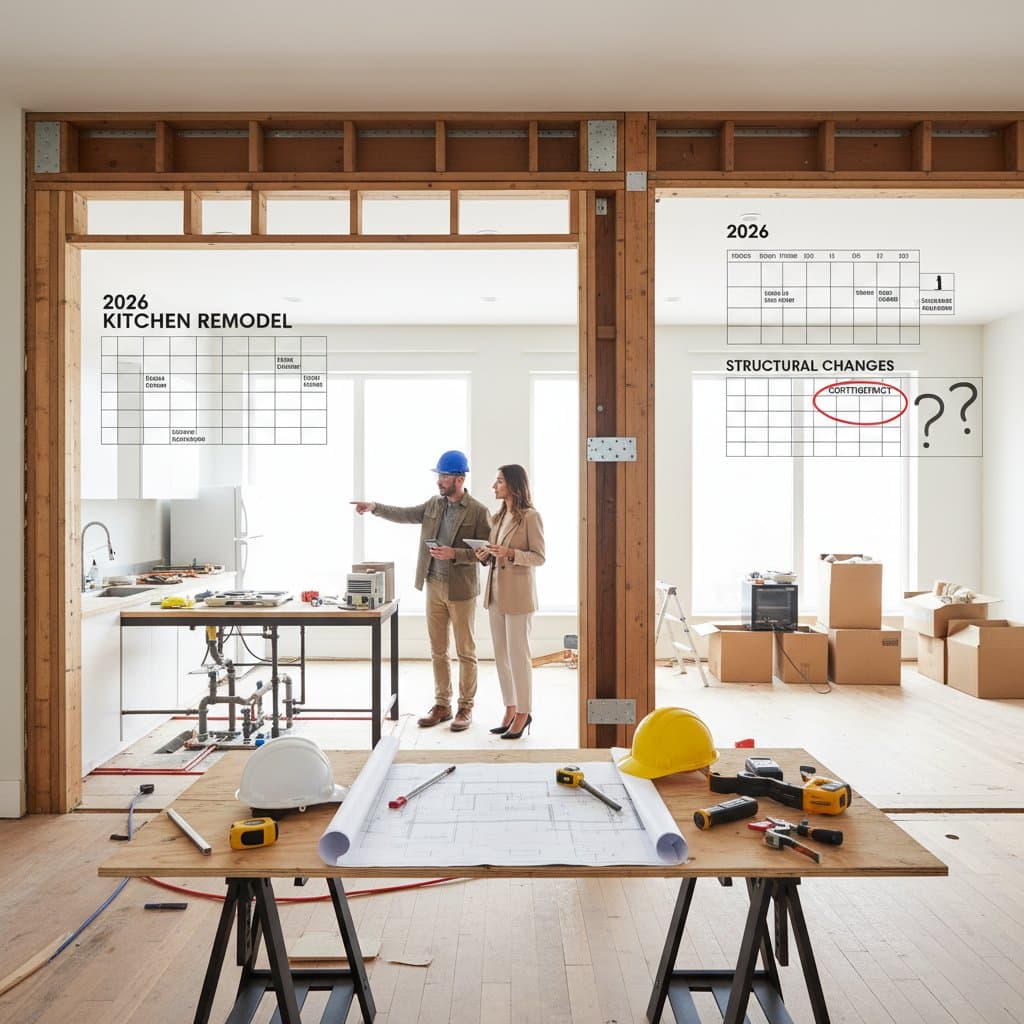
Avoid Hidden Kitchen Remodel Costs in 2026
Every kitchen remodel looks different. Some homeowners chase a minimalist style, others want a chef-grade layout, while many focus on family-friendly durability. Despite all this variety, every successful project follows a few solid principles. The smartest remodels are not just about finishes or fixtures. They are about planning, coordination, and managing hidden costs before they appear.
After decades of working on both luxury and mid-range kitchens, I have seen too many budgets derailed by small oversights. The good news is that most surprises can be prevented with careful preparation. The following rules explain how to avoid hidden expenses that often turn a dream kitchen into a stressful financial experience.
2. Budget for Utility Upgrades
Problem: Old kitchens often lack the capacity to handle modern appliances. Without planning, you might face unexpected electrical or plumbing costs halfway through construction.
Context: In one renovation, the homeowner purchased a high-powered induction cooktop and double wall oven. The existing electrical panel could not support the load, which required a new subpanel and upgraded wiring.
Solution: Review appliance specifications early. Ask your electrician to calculate the total amperage and verify whether your current panel and circuits can handle it. Do the same with plumbing, especially if you plan an instant hot water system or multiple sinks.
Technical Details: Kitchens typically need multiple 20-amp small appliance circuits and dedicated lines for ovens, dishwashers, and microwaves. Water pressure should be tested to ensure consistent flow for all fixtures.
Benefit: By confirming these needs ahead of time, you prevent costly mid-project electrical or plumbing overhauls.
4. Understand Labor Complexity
Problem: Labor costs can rise unexpectedly when designs involve custom features, unusual angles, or intricate tile layouts.
Context: During one remodel, the homeowner selected a herringbone backsplash using small-format tiles. The pattern required extra cutting and layout time that doubled labor hours.
Solution: When reviewing design options, ask your contractor which choices increase labor time. Simpler patterns and standard dimensions often save both time and money.
Technical Details: Specialty installations like full-height backsplashes, waterfall counters, or integrated lighting require precision fitting. These often demand additional trades or extended scheduling.
Benefit: Awareness of how complexity drives labor cost allows you to make informed design decisions that fit both your taste and your budget.
6. Include Temporary Living and Cleanup Costs
Problem: Many homeowners forget about the cost of living without a kitchen during renovation. Temporary setups, eating out, and cleanup can quietly drain the budget.
Context: One client spent nearly a month cooking on a hot plate in the garage. The expense of takeout meals and disposable dishes added hundreds of dollars.
Solution: Plan a temporary kitchen area with a microwave, coffee maker, and small sink if possible. Include storage for essentials and a cleanup station. Ask your contractor to include site protection and debris removal costs in the bid.
Technical Details: Dust control barriers, floor protection, and waste disposal fees are legitimate line items. Some contractors include final cleaning, others charge separately.
Benefit: Planning for these temporary adjustments keeps your daily life manageable and your budget predictable.
8. Remember Demolition and Waste Disposal
Problem: Homeowners often underestimate the cost of demolition and debris hauling. Removing old cabinets, flooring, and countertops can require specialized handling.
Context: On one remodel, we discovered multiple layers of vinyl flooring over asbestos tile. Proper abatement and disposal became a substantial unplanned cost.
Solution: Have your contractor inspect existing finishes before demolition. Ask specifically about possible hazardous materials and disposal methods.
Technical Details: Dump fees are typically charged by weight. Hazardous materials like lead paint or asbestos require certified removal and documentation.
Benefit: Knowing these potential risks ensures you budget responsibly and maintain a safe job site.
10. Keep a Contingency Fund
Problem: Even the best-planned remodels encounter surprises. A lack of contingency planning can lead to financial stress or unfinished work.
Context: During one project, hidden water damage behind cabinets required new drywall and insulation. The client’s contingency fund covered the cost without halting progress.
Solution: Set aside at least ten to fifteen percent of your total budget for unexpected expenses. Keep this fund separate from your main project account.