
Open Floor Plan Mistakes That Drive Up 2026 Remodel Costs
The latest Home Improvement Market Outlook report from the National Association of Home Builders indicates that nearly 48 percent of planned remodels in this cycle involve at least one wall removal. However, 62 percent of those projects surpass initial budgets by an average of 18 percent. Open floor plans offer modern appeal, yet the process of achieving them reveals complexities that many homeowners underestimate.
Common pitfalls include structural challenges, HVAC adjustments, finish enhancements, acoustic considerations, and permit requirements. Each can lead to significant expenses if not addressed early. By recognizing these issues, homeowners can develop strategies to maintain control over costs and timelines.
1. Overlooking Structural Integrity
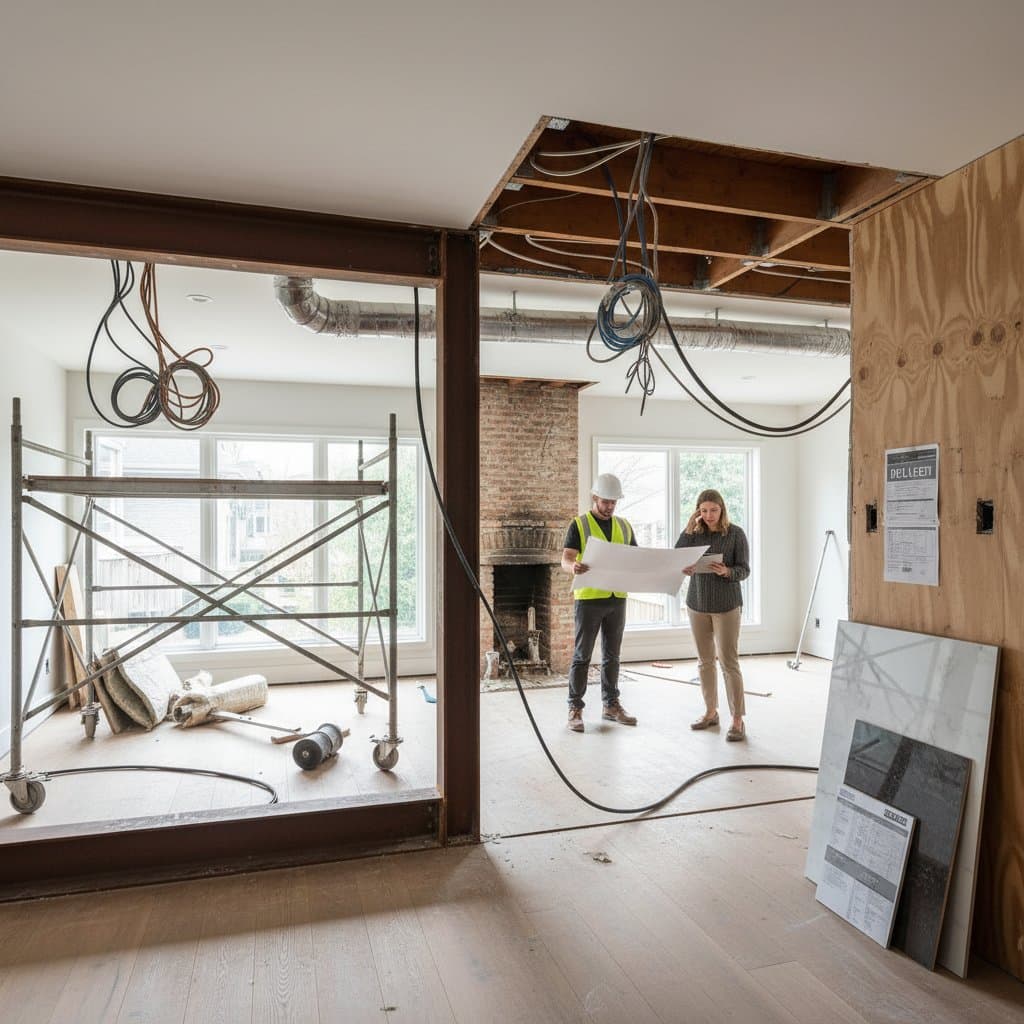
Removing walls often uncovers load-bearing elements that require reinforcement. Homeowners may assume all interior walls are non-structural, but assessments reveal otherwise in many cases. Reinforcing beams or columns can add thousands to the budget, with costs ranging from $2,000 to $10,000 depending on the home's age and design.
Structural engineer Elena Vasquez of Stable Homes Engineering states, 'A quick inspection before demolition can identify these needs. Ignoring them risks safety and forces rushed, expensive fixes later.'
To avoid this mistake, schedule a professional structural review during the planning stage. This step ensures accurate budgeting and prevents project delays from unforeseen reinforcements.
2. Neglecting HVAC Rebalancing
Wall removals alter airflow dynamics within a home. Systems designed for enclosed rooms may create uneven temperatures in open spaces, leading to discomfort and inefficiency. A survey by the Residential Energy Efficiency Alliance shows that 53 percent of open-layout remodels need HVAC updates within two years of completion.
Mechanical contractor Brian Hooper, owner of Hooper Climate Design, explains, 'When a wall disappears, your return air balance does too. A simple re-route might cost $800, but a full redesign can reach $5,000 if the system needs zoned control.'
Incorporate an HVAC evaluation early to anticipate modifications. This approach preserves energy efficiency and avoids costly retrofits that disrupt daily life.
3. Underestimating Finish Upgrades
Open layouts expose more surface area, prompting desires for cohesive, high-end finishes. What begins as basic flooring or cabinetry often escalates to premium materials once the space feels larger. These upgrades can inflate costs by 20 to 30 percent beyond original estimates.
Interior designer Carla Mendes of FlowSpace Designs notes, 'The openness invites scrutiny; plain finishes look out of place. Planning material selections upfront saves on patchwork changes later.'
Develop a detailed finish schedule during design. Prioritize durable, versatile options that enhance the space without exceeding financial limits.
4. Ignoring Acoustic Planning
Blended areas in open plans allow sounds to travel unchecked, turning lively spaces into noisy ones. Echoes from cooking, conversations, or media can diminish enjoyment without proper mitigation. Post-construction fixes, such as adding panels or treatments, often exceed $3,000.
Architectural designer Henry Liu of Urban Sound Interiors observes, 'Acoustics are rarely budgeted but always noticed once the project is done. Integrating sound-dampening drywall or insulation from the start adds about $2 per square foot, compared to $6 after finishes are installed.'
Address noise control in the initial blueprint. Select materials like mineral wool insulation or sound-rated drywall to foster comfortable, functional environments.
5. Skipping Permit and Code Compliance
Major alterations like wall removals demand permits for structural, electrical, and mechanical work. Overlooking this leads to fines, delays, or issues during resale. Fees for load-bearing wall permits typically range from $300 to $1,200, with inspections adding weeks to timelines.
Licensed contractor and building inspector Thomas Green comments, 'Unpermitted wall removals are the top reason real estate deals stall during inspection. Homeowners underestimate how long approvals take and how much documentation is required.'
Build permitting into the project timeline from day one. Partner with contractors experienced in compliance to streamline the process and safeguard investments.
6. Failing to Recalculate Resale ROI
Open concepts appeal to many, but their value varies by market. A Home Resale Value Index study reveals that such layouts boost sale prices by only 3 to 5 percent in mid-size areas, while costs frequently surpass 15 percent of home value.
Real estate analyst Margaret Hollis of ClearEdge Realty advises, 'Buyers like open layouts, but they also prioritize private work zones and defined spaces. If the renovation erases too much separation, resale appeal can flatten.'
Consult a local agent for a comparative market analysis before starting. This evaluation confirms whether the remodel aligns with buyer preferences and financial returns.
7. Overlooking Contingency Planning
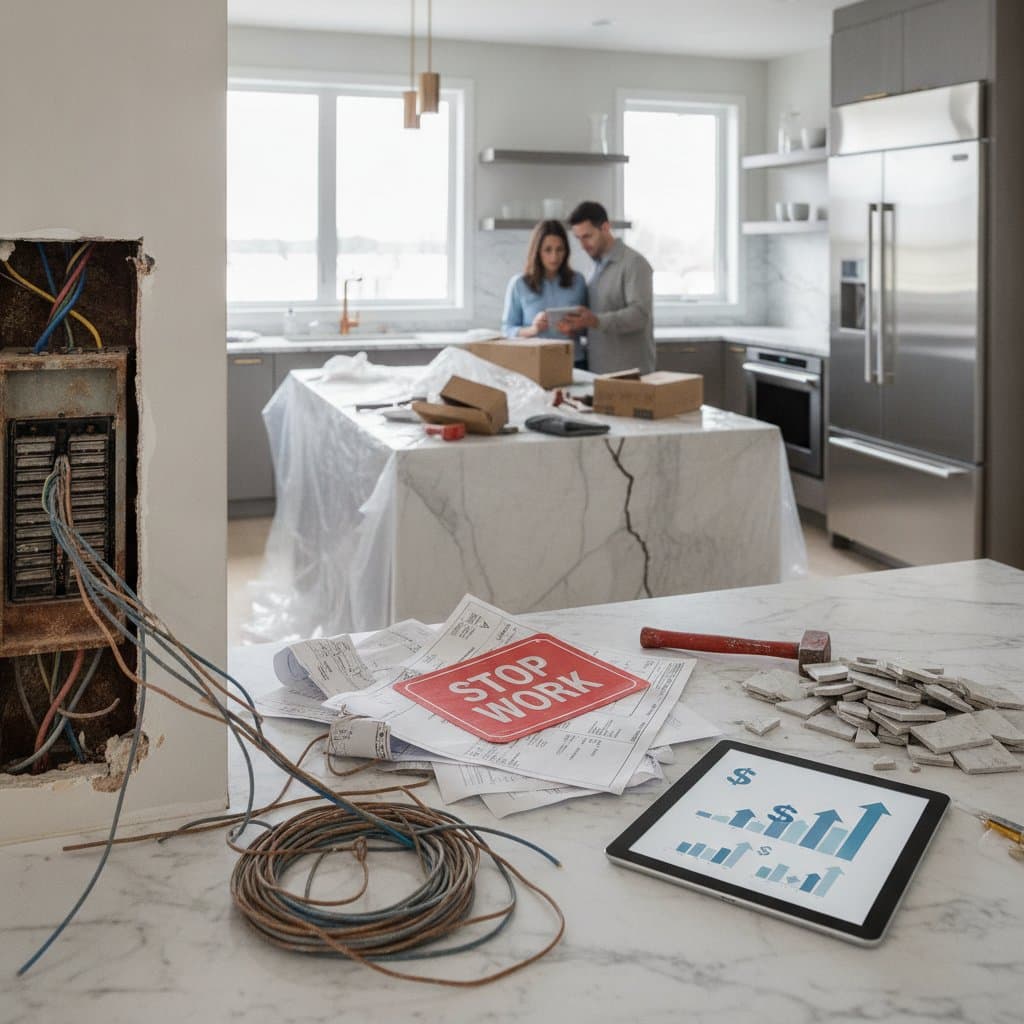
Open-concept projects carry high risks of surprises, such as hidden damage or code upgrades. Industry standards suggest a 15 to 20 percent contingency fund for structural endeavors. Without it, unexpected findings halt progress and incur additional financing costs.
Allocate funds specifically for discoveries like termite damage or outdated wiring. This buffer maintains momentum and avoids reliance on high-interest loans.
Review and adjust the contingency as the project advances. Regular assessments keep finances aligned with evolving needs.
Strategies for a Cost-Effective Open Floor Plan Remodel
Achieving an open layout enhances light and connectivity, provided planning remains thorough. Start with expert consultations to map structural and systems needs. Transparent budgeting, coupled with phased execution, minimizes overruns.
Track progress against milestones to catch issues early. Ultimately, these practices deliver a space that elevates living without straining resources.