
Layout Mistakes That Make Small Bathrooms Feel Cramped
Small bathrooms present unique challenges in design and functionality. Many homeowners unknowingly commit layout errors that exacerbate feelings of confinement. This article identifies key mistakes and provides practical solutions to open up space and enhance usability.
Understanding Common Layout Pitfalls
Effective bathroom layouts maximize every inch while ensuring smooth movement. Poor planning often leads to bottlenecks and visual clutter. Designers emphasize the importance of proportion and flow from the outset.
In 2025, trends favor minimalist approaches that integrate smart storage and natural light. Yet, outdated habits persist, shrinking perceived space. Addressing these issues requires a systematic evaluation of fixtures, traffic patterns, and illumination.
Mistake 1: Inefficient Door Placement
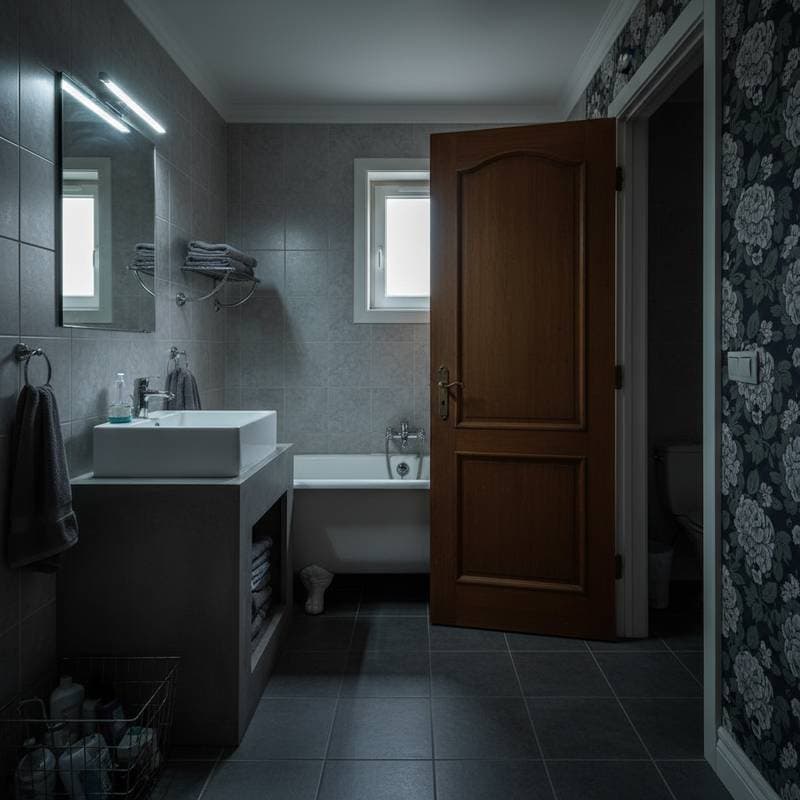
Doors that swing inward dominate floor space in compact bathrooms. This configuration blocks access to fixtures and creates awkward navigation. Standard hinges exacerbate the problem in rooms under 50 square feet.
Solution: Opt for Space-Saving Door Alternatives
Consider pocket doors that slide into the wall, freeing up the entry area. Barn-style doors on tracks offer a rustic alternative without encroaching on interior space. Measure the swing radius precisely before installation to confirm compatibility.
These changes improve circulation and allow for additional shelving near the entrance. Professionals recommend consulting blueprints to align door placement with primary traffic flow.
Mistake 2: Oversized Fixtures in Tight Spaces
Large bathtubs or vanities overwhelm small bathrooms, leaving minimal room for movement. Standard sizes suited for larger rooms disrupt balance in compact settings. This error often stems from prioritizing luxury over practicality.
Solution: Scale Down with Compact, Multifunctional Pieces
Select corner sinks or wall-mounted toilets to preserve floor area. Pedestal sinks create an illusion of openness by exposing the lower space. Integrate a shower-tub combo if full separation proves unfeasible.
Measure dimensions meticulously; aim for fixtures under 24 inches wide where possible. Such adjustments not only fit the layout but also streamline cleaning routines.
Mistake 3: Inadequate Storage Solutions
Lack of organized storage leads to visible clutter on counters and floors. Open shelves in humid environments invite disarray and dampness. Homeowners frequently underestimate the need for concealed compartments in limited areas.
Solution: Incorporate Vertical and Hidden Storage
Install tall, narrow cabinets that reach the ceiling to utilize unused height. Recessed niches in shower walls hold essentials without protruding. Under-sink organizers with pull-out drawers maximize vanity efficiency.
Prioritize materials resistant to moisture, such as sealed wood or PVC. These strategies keep surfaces clear and maintain a sense of order.
Mistake 4: Poor Lighting Placement
Dim or centrally placed lights cast shadows and flatten the room's dimensions. Overhead fixtures alone fail to highlight features or eliminate dark corners. This oversight diminishes both aesthetics and perceived spaciousness.
Solution: Layer Lighting for Depth and Brightness
Combine recessed ceiling lights with sconces flanking the mirror for even illumination. LED strips under vanities add subtle glow without bulk. Natural light amplification through frosted glass windows enhances the overall effect.
Select warm-toned bulbs to foster a welcoming atmosphere. Test placements during daylight hours to ensure comprehensive coverage.
Mistake 5: Ignoring Color and Mirror Strategies
Dark walls and small mirrors absorb light, making bathrooms feel enclosed. Neutral tones dominate, yet bold choices can expand visual boundaries. Layouts without reflective elements miss opportunities for illusionary depth.
Solution: Use Light Colors and Strategic Reflections
Paint walls in soft whites or pastels to reflect light and enlarge the space. Install full-length mirrors opposite windows to bounce natural light. Frameless options blend seamlessly with surroundings.
Incorporate glossy tiles on floors or backsplashes for added shine. These tactics create a brighter, more expansive environment.
Mistake 6: Cluttered Floor Plans
Crowded floors with rugs and unnecessary accessories hinder movement and amplify chaos. Fixed elements like freestanding towel racks obstruct pathways. This common issue arises from accumulating items without periodic assessment.
Solution: Streamline the Floor for Fluid Movement
Choose wall-mounted towel bars to keep floors unobstructed. Select low-profile mats that define zones without overwhelming. Regularly audit contents to eliminate redundancies.
Designate specific zones for toiletries and linens to prevent spillover. A decluttered base layer promotes ease and tranquility.
Implementing Changes for Lasting Impact
Revamping a small bathroom layout demands careful planning and professional input where needed. Start with a scaled sketch to visualize adjustments. Budget for quality materials that endure daily use.
These modifications yield functional spaces that feel larger and more inviting. Homeowners report increased satisfaction after addressing these pitfalls. Transform your bathroom into a practical haven with these targeted strategies.