
Essential Kitchen Design Rules That Maximize Home Value
Kitchen trends evolve rapidly, but timeless design principles endure. A successful remodel creates a space that functions efficiently, withstands daily use, and appeals to potential buyers. These eight rules, informed by industry expertise and homeowner insights, guide you toward a kitchen that delivers immediate joy and long-term financial return.
1. Optimize the Work Triangle Layout
Problem: Inefficient layouts force unnecessary movement, turning cooking into a chore and diminishing the kitchen's appeal.
Solution: Position the sink, stove, and refrigerator within a triangular perimeter of four to nine feet per side. Ensure clear pathways at least 36 inches wide, and incorporate islands or peninsulas only if they maintain traffic flow.
Context: Homeowners often report that a refined work triangle reduces preparation time by up to 30 percent. In one project, adjusting the layout transformed a cramped space into an efficient hub.
Benefit: This foundational arrangement boosts productivity, enhances safety, and signals thoughtful planning to appraisers and buyers.
2. Upgrade Lighting in Layers
Problem: Single overhead lights create shadows and fail to illuminate key areas, undermining both aesthetics and practicality.
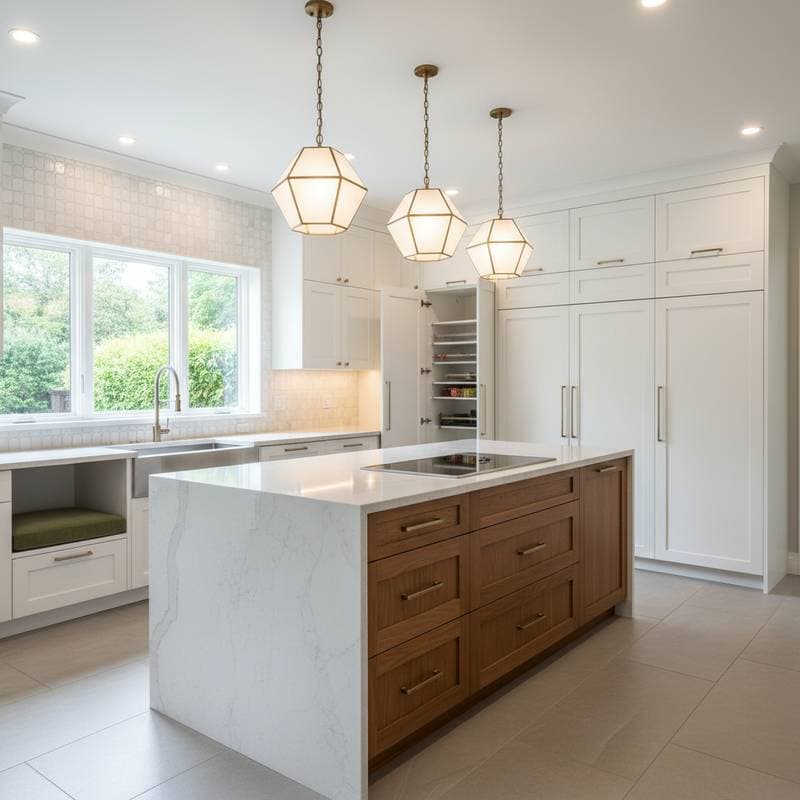
Solution: Implement ambient lighting through recessed cans or flush-mount fixtures for overall illumination. Add task lighting with under-cabinet strips or pendants above counters and sinks. Incorporate accent lighting via toe-kick LEDs or display niches to highlight architectural features.
Context: Layered setups in recent renovations have made spaces feel more expansive and welcoming. One client noted the difference immediately upon completion.
Benefit: Enhanced visibility promotes safer cooking, showcases design elements, and contributes to energy-efficient operations that appeal in home valuations.
3. Select Durable, Timeless Materials
Problem: Trendy finishes fade quickly, leading to dated appearances and costly replacements that erode value.
Solution: Opt for quartz or granite countertops that resist stains and scratches. Choose solid hardwood or porcelain flooring with sealed surfaces for longevity. Select cabinetry in neutral tones with high-quality hardware to withstand wear.
Context: Projects using resilient materials maintain their luster years later. A mid-century home update with quartz surfaces preserved its modern edge without frequent touch-ups.
Benefit: Sturdy selections reduce maintenance needs, preserve visual appeal, and reassure buyers of the kitchen's lasting quality.
4. Invest in Efficient Storage
Problem: Inadequate organization results in cluttered surfaces, which detract from the kitchen's style and usability.
Solution: Integrate deep drawers with soft-close mechanisms for utensils and cookware. Install pull-out shelves in base cabinets and vertical slots for trays. Utilize corner units with lazy Susans or swing-out trays to access blind spots.
Context: Replacing fixed shelves with custom pull-outs in a family kitchen eliminated clutter and streamlined routines. Buyers praised the seamless organization during showings.
Benefit: Maximized storage creates a tidy environment, expands perceived square footage, and elevates the overall property assessment.
5. Prioritize Energy Efficiency
Problem: Outdated appliances and fixtures drive up utility bills and signal inefficiency to eco-conscious buyers.
Solution: Install Energy Star-rated refrigerators, dishwashers, and ovens that consume less power. Incorporate low-flow faucets and induction cooktops for precise heating. Add insulation to walls and appliances to minimize heat loss.
Context: Retrofitting a 1980s kitchen with efficient models cut energy use by 25 percent. The upgrades aligned with modern sustainability standards.
Benefit: Lower operating costs attract environmentally aware purchasers and qualify for potential rebates, directly influencing resale premiums.
6. Keep Ventilation in Check
Problem: Inadequate airflow traps smoke, steam, and odors, accelerating wear on cabinets and surfaces.
Solution: Fit a downdraft or overhead hood that vents outdoors, sized to match the cooktop's BTU output. Select models with multiple fan speeds and dishwasher-safe filters for quiet, effective operation.
Context: Upgrading ventilation in an open-concept remodel eliminated lingering smells and protected nearby living areas. The improvement proved invaluable during daily use.
Benefit: Superior air quality safeguards materials, enhances livability, and demonstrates proactive design to discerning home shoppers.
7. Integrate Universal Design Elements
Problem: Kitchens often overlook accessibility, limiting usability for all ages and abilities over time.
Solution: Install lever handles on cabinets and doors for easy gripping. Provide at least 30-inch clearances around appliances and lower counter heights to 34 inches where possible. Add touchless faucets and adjustable shelving for flexibility.
Context: Incorporating these features in a multigenerational home allowed seamless adaptation for varying needs. The foresight impressed real estate professionals.
Benefit: Inclusive design broadens appeal, future-proofs the space, and positions the property favorably in competitive markets.
8. Plan for Easy Maintenance
Problem: High-maintenance surfaces demand frequent cleaning, which discourages buyers seeking low-effort spaces.
Solution: Choose non-porous countertops and backsplashes that wipe clean easily. Select matte finishes on appliances to hide fingerprints. Apply protective sealants to wood elements and opt for groutless tiling options.
Context: A remodel emphasizing simple-care materials kept the kitchen pristine with minimal effort. Owners appreciated the practicality years after installation.
Benefit: Reduced upkeep preserves appearance, saves time and money, and conveys reliability to prospective owners.
Applying These Rules for Lasting Impact
Focus on these principles to craft a kitchen that aligns with your lifestyle and market demands. Prioritize function and durability as the base, then refine with style. The result is a versatile space that enhances daily life and strengthens your home's position for future sale.