
- Optional solar panel and battery system pairing: $8,000 to $40,000, depending on capacity.
Federal tax credits and state rebates can reduce net costs by 20 to 40 percent. Homeowners should consult with a licensed contractor to obtain a detailed estimate and identify applicable incentives before starting the project.
Common Challenges in EV Charger Setup
A frequent hurdle during installation is the capacity of the existing electrical service panel. Many homes, especially older ones with 100-amp service, may struggle to support the additional load of a charger, which can draw around 30 amps at 240 volts for a 7.2 kW unit. If the combined load from appliances and the charger exceeds 80 percent of panel capacity, an upgrade becomes necessary. Early assessment by a professional can prevent delays and unexpected expenses.
Expert Insights on Planning and Budgeting
Bringing in an electrical expert at the planning stage is critical for a smooth process. Sara Kim, a Senior Electrical Engineer at GreenGrid Energy with 12 years of experience, advises, "A pre-installation load study is essential to avoid surprises and often qualifies you for utility rebates." Marcus Allen, Director of Home Electrification at SunState Contractors with 15 years in the field, adds, "Always budget a 15 to 25 percent contingency for electrical upgrades, as hidden wiring issues can surface during the work."
Step-by-Step Guide to a Seamless Installation
Follow these actionable steps to ensure a cost-effective and efficient EV charger setup:
- Request a professional load calculation to determine if a panel expansion or subpanel is needed.
- Gather at least three installation quotes, comparing scope, timeline, and warranty terms.
- Research federal, state, and local utility incentives, and bring documentation to contractor discussions.
- Choose a charger suited to your vehicle and usage, such as a 7.2 kW Level 2 for standard needs or an 11 kW for larger EVs, ensuring smart scheduling features.
- Optimize placement near the main breaker or with minimal conduit runs to lower labor and material costs.
Managing Timelines and Reducing Risks
A straightforward charger installation typically takes one to three weeks, while projects requiring panel upgrades or delayed permits may extend to six weeks. Confirm permit processing times with your local building department to avoid setbacks. Always adhere to local codes, such as NEC 2023 Article 625, and secure proper inspections to maintain safety and warranty validity. Set aside a contingency fund of at least 10 percent, or up to 25 percent for older homes, to address unforeseen issues.
Maximizing Energy Efficiency and Returns
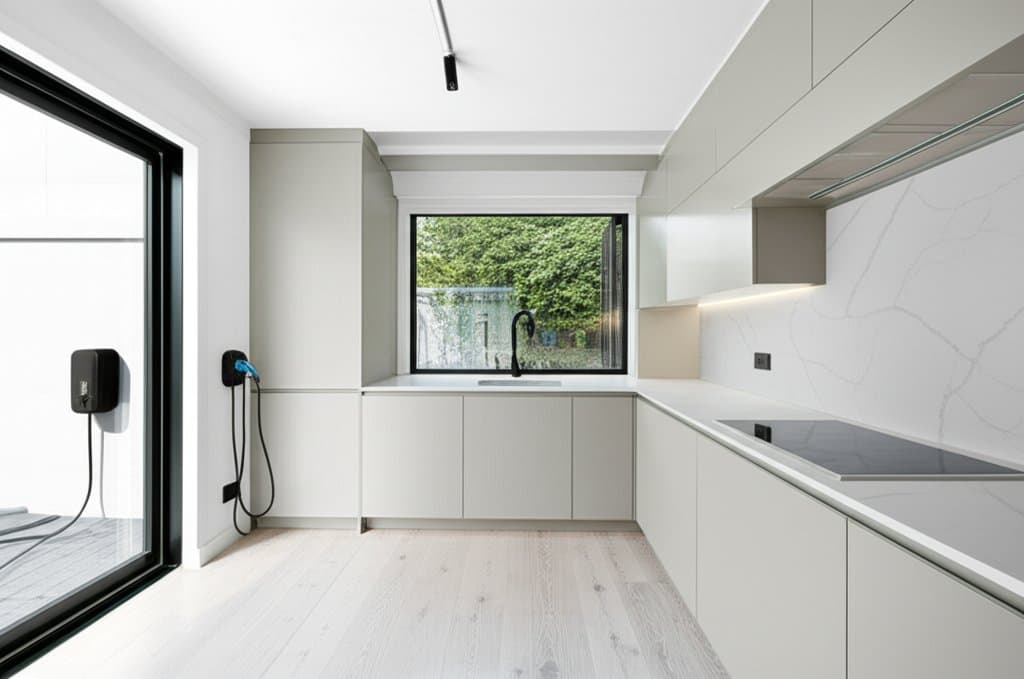
Smart chargers with time-of-use scheduling or solar integration can significantly cut operating costs. Pairing with solar panels allows households to offset grid energy use, yielding annual savings of $300 to $500. Combined with the 5 to 7 percent increase in home value noted in Zillow's data, the investment often pays off over time. Thoughtful design, such as recessing the charger behind cabinetry, can also minimize aesthetic and structural costs.
Hiring the Right Professional for the Job
Selecting a qualified electrician is paramount. Request a written load analysis, verify licensing and insurance, and ask for references from recent EV charger projects. Ensure the contractor provides a fixed price for the agreed scope and clarifies the change order process. A reliable professional will help navigate permits and maximize rebate opportunities.
Real-World Impact of an EV Charger Upgrade
Consider a three-bedroom home in Austin that installed a 7.2 kW charger with a 40-amp subpanel and a small solar-battery system. The total cost before rebates was $12,000, reduced to $8,800 after incentives. The homeowner reported that 70 percent of overnight charging came from solar power, and the home's appraised value rose by 6 percent, demonstrating the tangible benefits of this upgrade.
Take Control of Your Home's Future Value
Start by scheduling an electrical audit and collecting multiple quotes that include load analyses. Focus on chargers with smart features for load management, secure permits early, and build a realistic contingency into your budget. By integrating an EV charging station, you not only enhance daily convenience but also position your home as a high-value asset in a competitive market.