

2026 Remodeling: Hidden Costs That Inflate Budgets
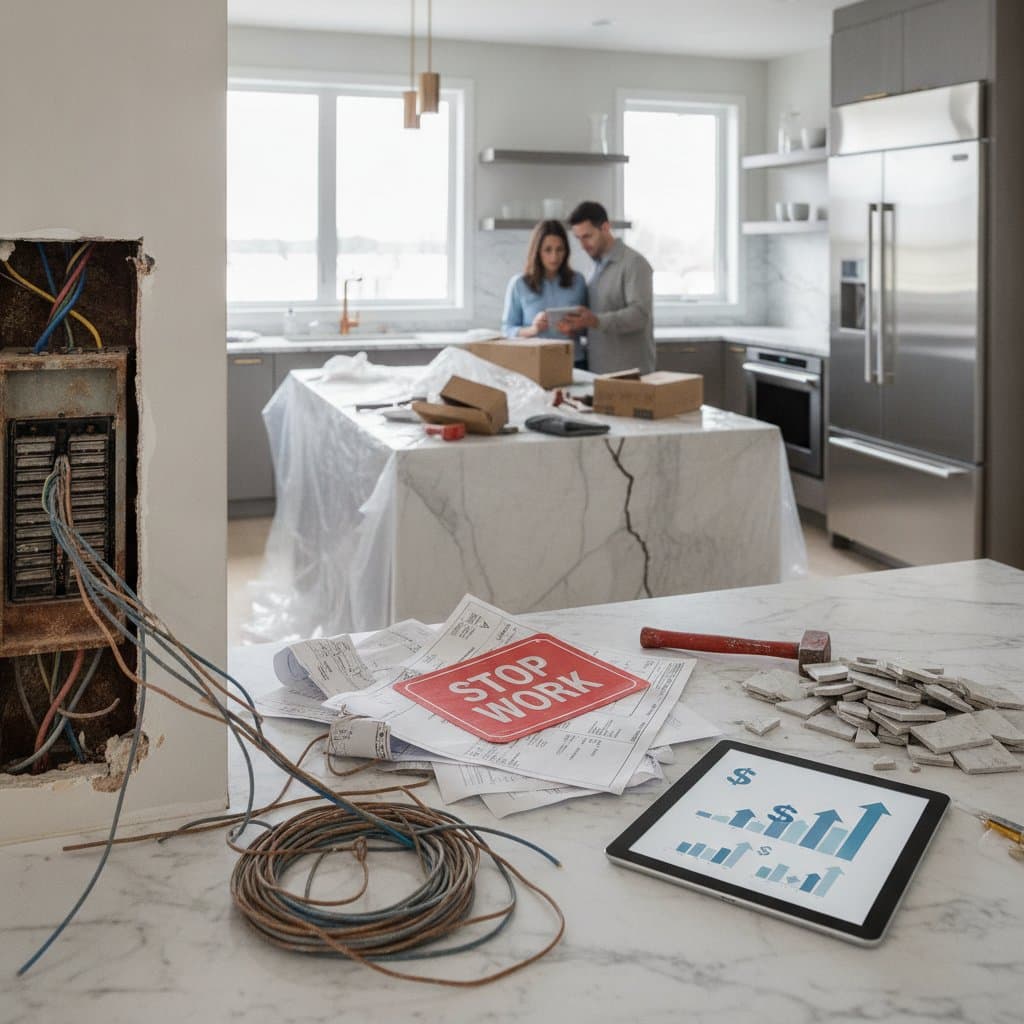
More than 64 percent of homeowners report cost overruns during renovation projects. The average overage reaches 18 percent beyond the initial estimate. Remodeling rarely goes exactly as planned. Behind every new tile, wall removal, or system upgrade often lurk hidden costs that quietly inflate budgets if not accounted for from the start.
Financial transparency serves as a survival strategy for homeowners. Understanding where these hidden expenses arise helps maintain control of the bottom line.
Opening Walls Reveals Unexpected Issues
Few remodeling surprises prove as costly as conditions found once drywall comes down. Electrical, plumbing, and structural challenges often sit behind the surface of older homes. Nearly half of contractors encounter unforeseen structural or system issues after demolition begins.
This situation creates scope creep when actual property conditions differ from assumptions used in the initial estimate. Undersized beams or outdated wiring must often reach current safety standards. Ignoring these conditions affects both safety and code compliance.
Budget a contingency fund equal to 15 to 20 percent of total project costs. Request a pre-demolition inspection by a structural engineer and a licensed electrician. Ask for documentation of any discovered issues along with written change orders before work continues.
Structural corrections can add between 2500 and 10000 dollars depending on damage extent. Electrical rewiring can cost another 3 to 6 dollars per square foot in older homes.
Permitting, Inspections, and Code Upgrades
Homeowners often underestimate the cumulative expense of permits, inspections, and compliance updates. Local building departments can require multiple approvals for plumbing, mechanical, or structural changes.
Permits trigger inspection requirements that lead to additional upgrades if the home does not meet current energy or safety codes. Consult the municipality building department before finalizing the budget. Include permit fees in the initial cost estimate rather than treating them as incidental expenses.
Permit fees can total 1 to 3 percent of total project value. Code upgrades such as GFCI outlets, smoke detectors, or energy-efficient insulation can add 500 to 3000 dollars depending on scope.
Material Price Fluctuations
Material costs rarely remain stable throughout a project timeline. Lumber, tile, and metal prices fluctuate based on supply chain conditions. Material volatility added an average of 9 percent to remodeling budgets last year.
Contractors often use allowance pricing in bids. The homeowner agrees to a set amount for materials without final selections made. Lock in material prices early through supplier contracts or pre-purchase orders. Avoid over-reliance on allowances by making design selections before finalizing the construction agreement.
Fluctuations can add 2000 to 8000 dollars on mid-range projects. Custom finishes or imported materials may increase that risk further.
Design Changes Mid-Project
Changing plans after construction begins creates the fastest route to budget inflation. Every adjustment to layout, cabinetry, or finishes triggers schedule delays and material waste. Design professionals refer to these as change orders, and they are often billed at premium rates.
Over 38 percent of homeowners make at least one mid-project design change. This leads to an average cost increase of 12 percent. Finalize all design decisions before ordering materials. Request 3D renderings and mockups to confirm preferences. Establish a written limit on allowable change orders before incurring new costs.
Each change order typically adds 300 to 1000 dollars in administrative and labor costs plus new materials or demolition expenses.
Temporary Housing and Storage Costs
When large remodels make areas of the home unusable, short-term housing or storage solutions become necessary. Many homeowners overlook this expense entirely. Living through a major remodel can prove nearly impossible if plumbing or kitchens remain out of service.
Include a temporary living allowance in the remodeling budget, especially for full-home or kitchen projects. Calculate storage costs for furniture or appliances that must move during construction. Evaluate phased construction to minimize displacement.
Short-term rentals can range from 1500 to 4000 dollars per month. Offsite storage units average 150 to 300 dollars monthly depending on size and region.
Waste Disposal and Site Cleanup
Demolition generates significant debris that must be properly disposed of under local regulations. Many contracts exclude waste hauling or hazardous material removal. Contractors estimate debris disposal by volume. If the project produces more waste than projected, additional haul-away fees apply.
Ask for a written cleanup clause in the contract specifying responsibility for debris removal. Confirm whether hazardous materials testing for asbestos or lead paint is included. Plan for multiple dumpster loads if the project includes major demolition.
Dumpster rentals average 400 to 800 dollars per load. Hazardous material abatement can reach 5 to 15 dollars per square foot depending on contamination type.
Labor Shortages and Scheduling Delays
Labor availability remains one of the most unpredictable cost drivers in remodeling. Skilled trades stay in high demand, and project timelines often extend due to contractor backlogs. Extended timelines increase indirect costs including rental expenses, temporary housing, or extended loan interest.
Vet contractor capacity before signing. Include time-based penalties or incentives in contracts to maintain accountability. Develop a schedule buffer of two to four weeks in the timeline plan.
Each month of delay can cost 1000 to 3000 dollars in indirect expenses for mid-range projects.
Landscaping and Exterior Restoration
Heavy equipment, dumpsters, and material storage can damage lawns, driveways, or exterior finishes. Many homeowners discover late that repairing or replanting outdoor areas adds unexpected expense. Exterior restoration often falls outside the main construction scope.
Protect existing landscaping with temporary barriers before demolition begins. Include a restoration allowance for sod, irrigation, or driveway patching. Clarify cleanup standards in the final walk-through checklist.
Exterior restoration can add 1000 to 5000 dollars depending on site conditions.
Inflation in Professional Fees
Architects, designers, and engineers often adjust their fees mid-project if scope or documentation expands. These specialists bill hourly or by percentage of construction cost. When the total project value rises due to change orders or material upgrades, their fees follow suit.
Negotiate a fixed-fee arrangement rather than a percentage-based model. Request a detailed billing schedule before work begins. Track additional service requests to prevent unplanned consulting expenses.
Protecting Your Renovation Budget
Planning for these hidden costs from the outset prevents most budget surprises. A well-structured contingency plan combined with clear contract terms keeps projects on track. Homeowners who anticipate these factors complete renovations with greater financial control and fewer disruptions.