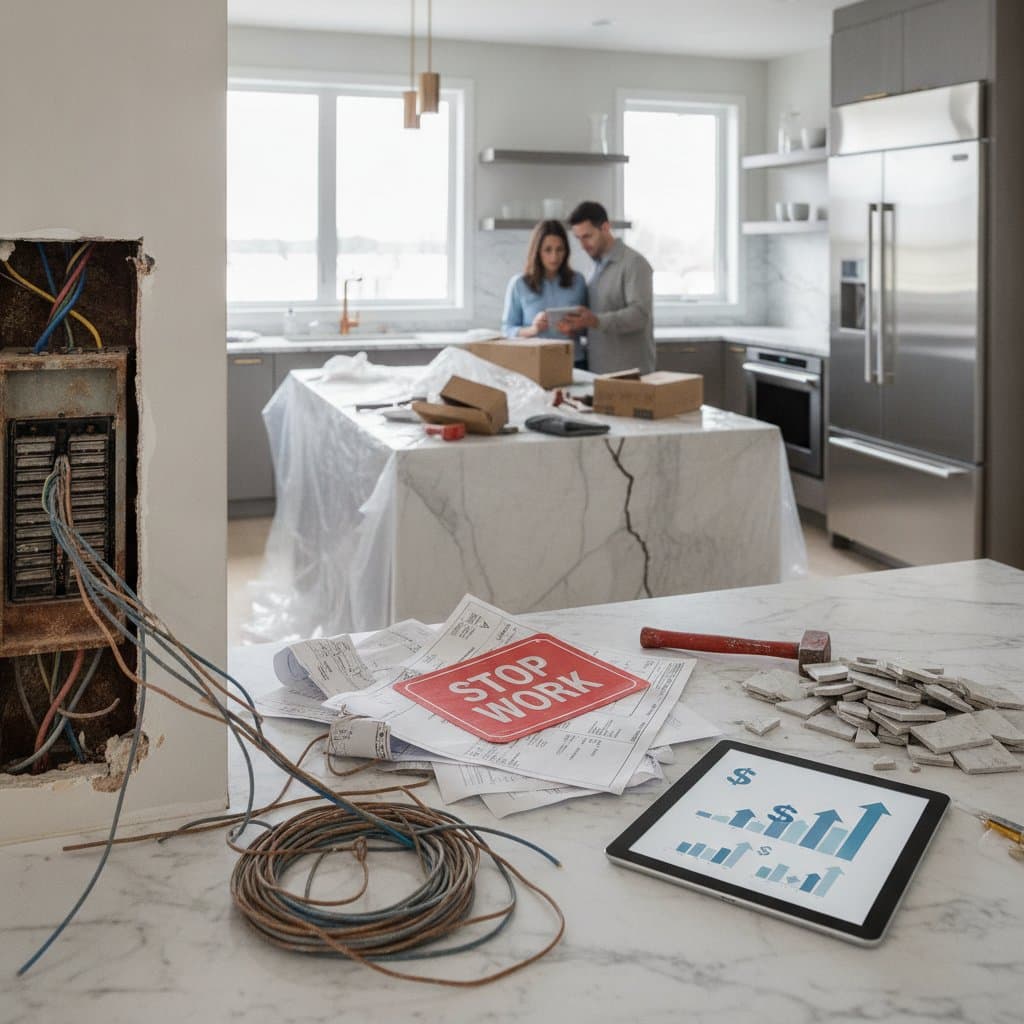


Understanding Hidden Remodel Costs and Their Impact
A recent HomeAdvisor survey reveals that 43 percent of homeowners surpass their renovation budgets, with unforeseen expenses contributing over one-third of those overruns. The National Association of Home Builders notes that unplanned repairs to structures or systems increase project costs by an average of 18 percent. These statistics highlight how even meticulous planning can falter without awareness of potential pitfalls.
Home remodels extend beyond aesthetic choices; they demand precise financial forecasting and ongoing monitoring. Identifying sources of hidden costs early allows homeowners to build safeguards into their plans. This approach transforms a potential financial burden into a manageable investment.
Professional Insights on Quantifying Remodel Risks
Contractors and project managers employ a multi-layered estimation process to anticipate expenses. They begin with core construction costs, then incorporate regional labor rates, and finally allocate contingency funds ranging from 10 to 20 percent based on the project's scope and uncertainties.
Brian Ellison, a licensed general contractor and owner of Ellison Residential Group, explains, "Contingencies are not padding. They are a financial safety net based on probability. Every remodel contains unknowns until walls open and systems are exposed."
Pre-construction assessments play a vital role in uncovering issues. Engage a certified home inspector or structural engineer to evaluate potential defects in foundations, wiring, or plumbing. This investment, often under $500, can avert thousands in corrective work later.
Key Areas Where Remodel Budgets Often Falter
Market trends exacerbate cost pressures in remodels. Remodeling Magazine's Cost vs. Value Report indicates material prices can vary by up to 12 percent amid supply chain demands. Labor constraints in urban centers further elevate rates for skilled workers.
Material Choices and Savings Opportunities
Opting for domestic alternatives over imported materials frequently reduces expenses by 15 to 20 percent in finishing elements like tiles or countertops. Verify availability and delivery timelines upfront to prevent delays that accrue additional labor charges.
Managing Change Orders Effectively
Any modification after groundbreaking incurs extra fees for labor and administration. Data from HomeAdvisor shows these adjustments typically inflate budgets by 10 percent. Implement a policy requiring written proposals with detailed cost breakdowns for all changes before approval.
Essential Utility Evaluations
Aging properties might require updates to electrical or plumbing systems to accommodate modern designs. Upgrading service panels or main lines can cost between $2,000 and $8,000, scaled to the home's dimensions. Consult licensed specialists to gauge existing capacity during the planning phase.
Accounting for Waste and Cleanup
Fees for debris removal, dumpster services, and final site preparation usually appear outside primary contracts. Budget an extra 2 to 4 percent of the total project estimate for these necessities to avoid last-minute surprises.
Strategies for Mitigating Risks in Your Remodel
Solid contracts form the foundation of budget protection. Detail payment timelines tied to milestones, warranty terms, and resolution processes for conflicts. Steer clear of vague lump-sum deals that obscure expense breakdowns.
Verifying Insurance Coverage
Ensure your homeowner's policy covers construction activities by notifying your provider in advance. Request proof of your contractor's general liability and workers' compensation insurance, confirming validity through official documentation.
Conducting Regular Progress Checks
Arrange site visits at key stages to confirm adherence to plans. Capture evidence through timestamped photos and notes on each inspection. This documentation aids in resolving payment issues and supports future claims.
Ensuring Supplier Transparency
Obtain invoices straight from material providers to validate quoted prices. This practice blocks unauthorized price increases or swaps that could escalate costs unexpectedly.
Final Steps to Safeguard Your 2025 Remodel Investment
Effective budget management hinges on proactive measures and detailed records. Start with data-backed estimates rather than rough guesses, demand itemized proposals, and set aside a dedicated contingency amount.
Financial planner Lisa Hargrove states, "Renovation success is not measured by design beauty alone. It is measured by how effectively you protect your capital investment."
Homeowners who approach remodels with a financial mindset secure superior results. They track expenditures closely, foresee challenges, and adjust priorities decisively. Prior to committing to any agreement, double-check your financial buffers, secure necessary permits, and confirm accountability from all involved parties.