

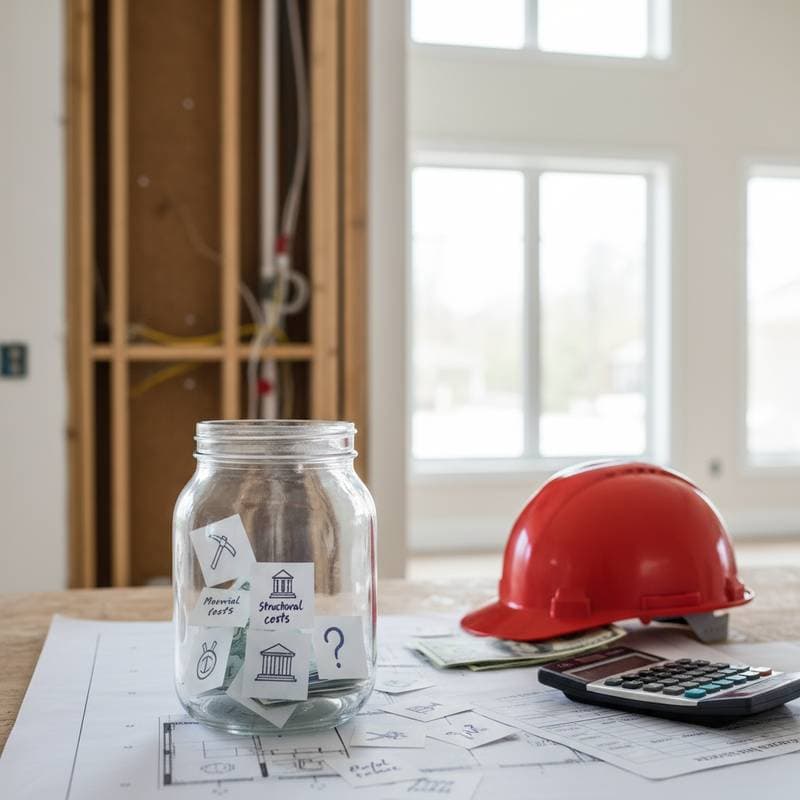
Safeguard Your 2026 Remodel Budget from Hidden Costs
Picture completing the layout for your ideal kitchen. You select the cabinets, approve the tiles, and prepare to proceed. Then, the contractor reports a necessary plumbing adjustment that increases the estimate by several thousand dollars. Your carefully crafted budget suddenly appears vulnerable. Remodeling offers a thrilling opportunity to revitalize your living space, but it frequently involves unforeseen expenses that disrupt even the best-laid plans.
Homeowners often underestimate these hidden costs, which emerge only after construction advances or decisions shift. Recognizing potential pitfalls empowers you to budget more precisely, negotiate effectively with professionals, and complete the work with minimal financial strain.
1. Structural Issues Concealed in Walls and Floors
Prepare for discoveries when removing walls or floors in established homes. Projects may reveal outdated electrical wiring, deteriorated subfloors, or inadequate insulation. These problems demand immediate attention to ensure safety and functionality before cosmetic elements proceed.
Action steps:
Require your contractor to incorporate a contingency fund of 10 to 20 percent of the total estimate. This reserve covers unforeseen repairs without compromising the overall project. For older properties, schedule an inspection by a structural engineer or certified home inspector prior to starting work. The upfront fee of a few hundred dollars can identify vulnerabilities early and prevent larger expenses.
2. Modifications to Plumbing and Electrical Systems
Minor alterations in room configurations can significantly impact plumbing and electrical infrastructure. Relocating a sink or installing additional fixtures typically involves rerouting lines, which escalates labor and material demands beyond the initial quote.
Action steps:
Request an itemized breakdown in the contractor's proposal that separates plumbing and electrical components. Discuss any intended relocations of appliances, fixtures, or lights at the outset. Clear specifications lead to more reliable cost projections and reduce the risk of later adjustments.
3. Fees for Permits and Inspections
Most renovations necessitate permits from local authorities. Tasks such as removing walls, enlarging windows, or installing new outlets require plan reviews and approvals, each incurring fees. Multiple inspections occur throughout the process, and neglecting these elements can cause delays and additional charges.
Action steps:
Consult your local building department early to determine permit needs for your scope of work. Although contractors may manage the paperwork, the costs remain part of your invoice. Allocate a dedicated budget line for these fees and confirm their inclusion in the contractor's initial estimate.
4. Fluctuations in Material Prices
Quotes reflect prices at a specific moment, but costs for items like lumber, tiles, and fixtures can rise before procurement. Supply chain variations make these essentials vulnerable to increases, potentially inflating expenses even with a fixed contractor bid.
Action steps:
Inquire about locking in material rates through early deposits or pre-purchases. Evaluate bids to distinguish between fixed and variable pricing. Opt for domestically sourced or standard materials to minimize exposure to import delays or shipping surcharges.
5. Adjustments to Designs During Construction
Homeowners frequently initiate changes after viewing progress, such as swapping tile patterns that no longer suit the space. These decisions, though minor in appearance, often result in reordered supplies, additional labor, and potential penalties from suppliers.
Action steps:
Finalize all choices before construction commences. Examine samples in your home's lighting conditions and consult with your contractor or designer for realistic previews. For any modifications, insist on a documented cost assessment and timeline impact prior to approval. Establish a formal change order protocol to track budget effects transparently.
6. Expenses for Delivery, Waste Removal, and Site Cleanup
Transporting materials, disposing of debris, and maintaining a clean worksite contribute substantial costs. Contractors may bill these services separately, often toward the project's conclusion when funds run low.
Action steps:
Clarify handling of deliveries, waste disposal, and cleanup in initial discussions. Determine if charges apply as a flat rate, hourly basis, or per volume of debris. Early awareness prevents unexpected invoices and allows for cost-saving alternatives, such as recycling options.
7. Costs Associated with Temporary Relocation and Storage
Renovations affecting kitchens, bathrooms, or primary areas disrupt routines. Increased dining out, renting storage units, or seeking alternative lodging accumulates expenses gradually.
Action steps:
Anticipate lifestyle impacts and reserve funds for contingencies like meals or short-term housing. Consider practical solutions, such as setting up a temporary cooking area or utilizing off-site storage from acquaintances. These measures help contain outlays while preserving normalcy.
8. Accumulating Costs of Final Touches
Overlook small elements like hardware, moldings, paints, and coverings at your peril. These components, essential for a polished look, escalate totals if not budgeted from the start.
Action steps:
Compile a comprehensive inventory of finishings, including specifics like drawer pulls and switch plates. Integrate this list into your design schedule and financial plan. Prioritizing these details ensures a cohesive outcome without last-minute rushes.
Ensure a Controlled and Rewarding Renovation
Approach remodeling as a structured journey from concept to completion. Vigilance against hidden costs fosters confidence in your financial oversight. Regularly consult with your contractor, scrutinize billing statements, and preserve your contingency reserve for genuine necessities.
Ultimately, success lies in a space that enhances your home while aligning with your resources. Proactive planning and open dialogue transform potential challenges into manageable aspects, yielding lasting satisfaction.