
Uncovering Hidden Kitchen Remodel Costs for 2026
Many homeowners approach a kitchen remodel with visions of updated cabinets and modern appliances. However, the process involves more than selecting finishes and colors. Personal experiences reveal that unforeseen expenses frequently emerge, transforming a planned project into a financial challenge.
Before committing to design choices or hiring professionals, consider the potential pitfalls. A well-prepared budget accounts for these hidden costs, ensuring the renovation enhances your home without overwhelming your finances. This guide examines common surprises and offers strategies to mitigate them.
Understanding the Limitations of Initial Quotes
Contractors often provide an initial quote that appears comprehensive. This figure typically addresses visible elements, such as surface materials and basic installations. Yet, it seldom encompasses issues concealed within structural components.
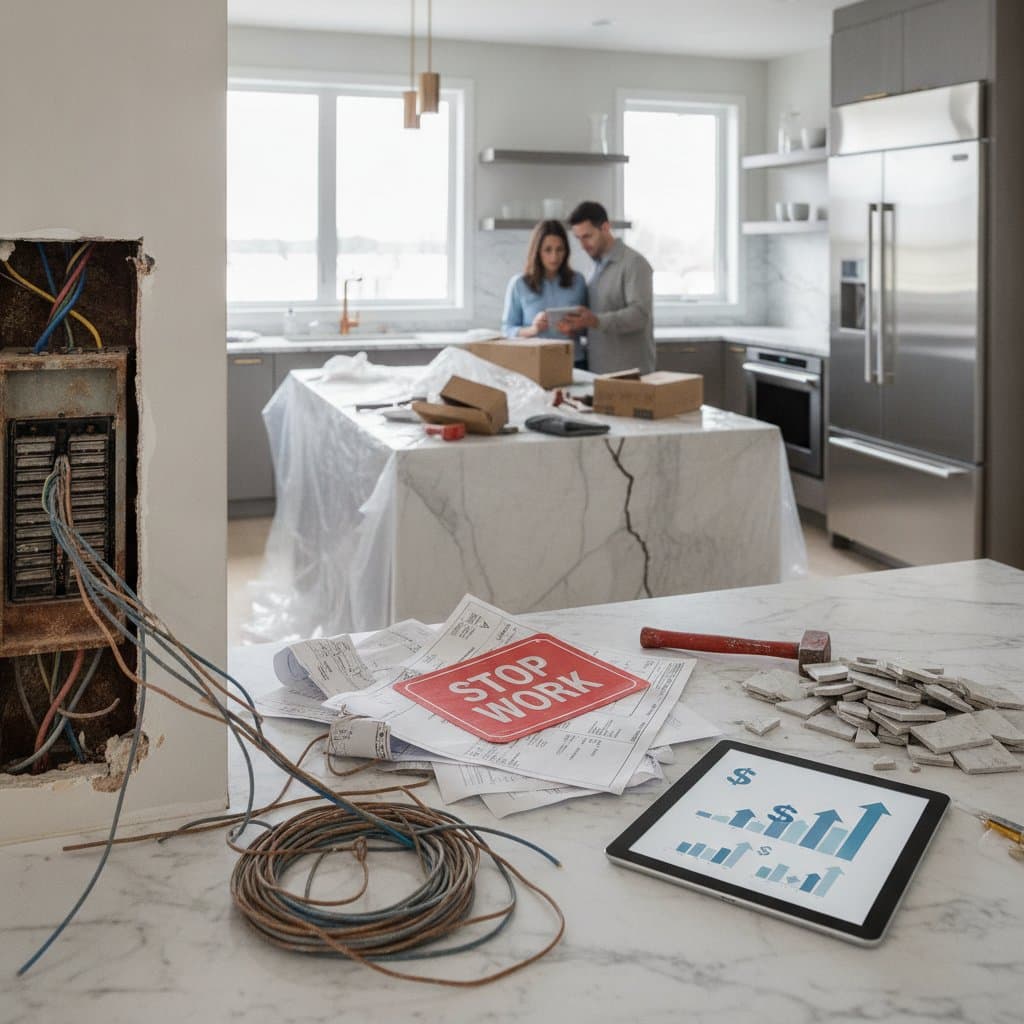
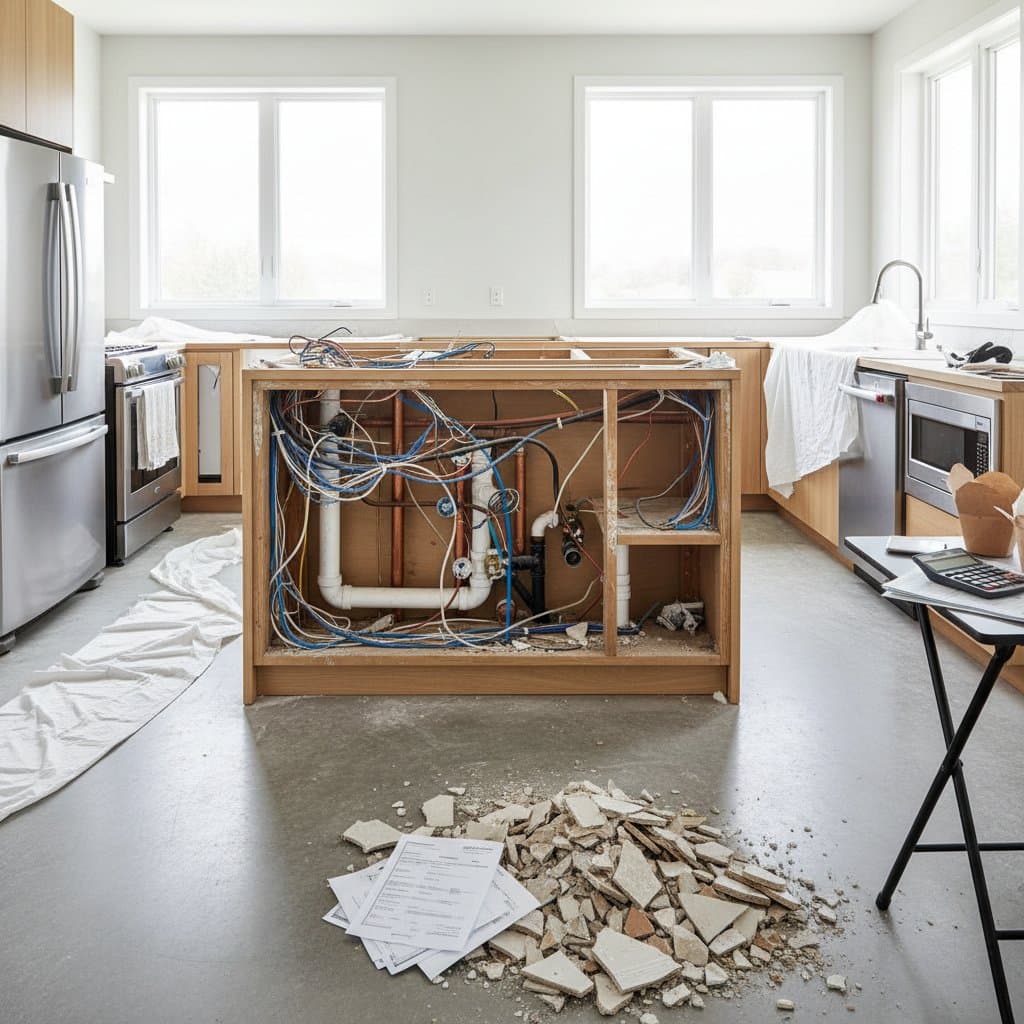
Structural discoveries, like outdated wiring or unstable subfloors, arise during demolition. These require immediate attention to meet safety standards and prevent future problems. Homeowners report that such findings can increase costs by 20 to 30 percent.
To prepare, request a detailed breakdown of the quote and discuss potential contingencies. Insist on a clause for unforeseen issues, which allows for adjustments without derailing the project timeline.
Challenges with Flooring Installation
Selecting new flooring excites many during the planning phase. Options like hardwood or ceramic tiles promise durability and style. However, the condition of the existing subfloor determines the true expense.
Uneven or damaged subfloors demand repairs before new materials can be installed. Removal of old layers, such as multiple vinyl applications, often requires specialized tools and additional labor. This process can extend timelines and elevate costs beyond initial estimates.
Inspect the subfloor early in the process. Hire a professional to assess its condition and obtain a precise quote for any necessary preparations. Budget an extra 10 to 15 percent for these potential adjustments.
Navigating Plumbing Relocations
Relocating sinks or appliances alters the kitchen layout effectively. Yet, existing pipes may not align with the new design, necessitating rerouting. This involves cutting into walls and installing new fittings.
Corroded pipes or undetected leaks surface during this phase, requiring a complete system overhaul. Such interventions ensure long-term reliability but add significant labor and material expenses. Professionals emphasize that proactive inspections prevent escalation.
Schedule a plumbing survey before finalizing plans. Factor in costs for potential upgrades, aiming for materials compliant with current building codes. This approach minimizes disruptions and maintains budget integrity.
Managing Cabinetry Expenses
Cabinets define the kitchen's functionality and aesthetic. Custom designs offer precise fits, but their fabrication demands premium pricing. Stock options provide affordability, though adaptations are often needed.
Fillers, trim, and hardware like hinges represent additional line items. Refinishing existing cabinets involves preparation steps, including sanding and priming, to achieve a smooth finish. DIY attempts frequently lead to subpar results and higher eventual professional fees.
Compare quotes from multiple suppliers and prioritize quality mechanisms for longevity. Allocate 25 percent of the budget to cabinetry, including installation, to cover these details without compromise.
Essential Electrical Enhancements
Contemporary kitchens rely on multiple appliances, straining older electrical systems. Insufficient outlets or circuits pose safety risks and inconvenience. Upgrades become mandatory to support modern demands.
Dedicated lines for high-power devices, such as ovens, require professional installation. If the home's panel lacks capacity, a full service upgrade follows. These measures prevent overloads and comply with regulations.
Consult an electrician during the design stage to map requirements. Incorporate GFCI outlets near sinks and plan for future expansions. This foresight avoids mid-project halts and ensures seamless operation.
Appliance Integration Costs
Appliance selections influence the kitchen's efficiency. Beyond purchase prices, installation demands specific accommodations. Built-in models necessitate cabinet adjustments and custom venting.
Water lines for ice makers and gas connections for ranges add complexity. Disposal of old units incurs fees, while delivery logistics may involve site preparation. These elements accumulate quietly.
Research compatibility with your layout before buying. Include installation in appliance quotes and budget for modifications. Opt for energy-efficient models to offset long-term costs.
Finishing Touches and Their Impact
Final details elevate the kitchen's appeal. Paint applications, backsplashes, and lighting fixtures complete the vision. However, these occur after major work, when budgets are stretched.
Lighting installations, including under-cabinet options, require wiring and fixtures. Upgrades to premium styles tempt further spending. Careful selection balances aesthetics with practicality.
Prioritize task lighting for workspaces and ambient sources for ambiance. Source materials in advance to control costs. Limit impulse purchases by adhering to a predefined decor plan.
Accounting for Project Disruptions
Remodels disrupt daily routines, particularly in the kitchen. Temporary meal solutions, such as dining out, inflate grocery expenses. Extended timelines amplify these impacts.
Dust control and noise management affect household comfort. Emotional strain from ongoing chaos warrants consideration. A realistic schedule helps manage expectations.
Plan alternative cooking spaces and stock non-perishables. Build a 10 percent contingency into the timeline and budget. Communicate progress regularly with all household members.
Handling Permits and Compliance
Local regulations mandate permits for structural, electrical, and plumbing changes. Fees vary by jurisdiction and project scope. Oversight leads to fines or delays.
Inspections verify code adherence, potentially requiring revisions. Non-compliance complicates future home sales. Early verification streamlines the process.
Research requirements through municipal offices or contractors. Submit applications promptly and track approvals. This preparation avoids costly interruptions.
Maximizing Your Renovation Investment
A successful remodel yields a functional, personalized space. Each element reflects thoughtful decisions amid challenges. Hidden costs, when anticipated, become manageable hurdles.
Incorporate a 15 to 20 percent buffer in your budget for surprises. Engage reliable professionals and document all agreements. These steps secure a rewarding outcome.
Share your insights on navigating remodel expenses. Your experiences may guide others toward informed planning and financial stability.