

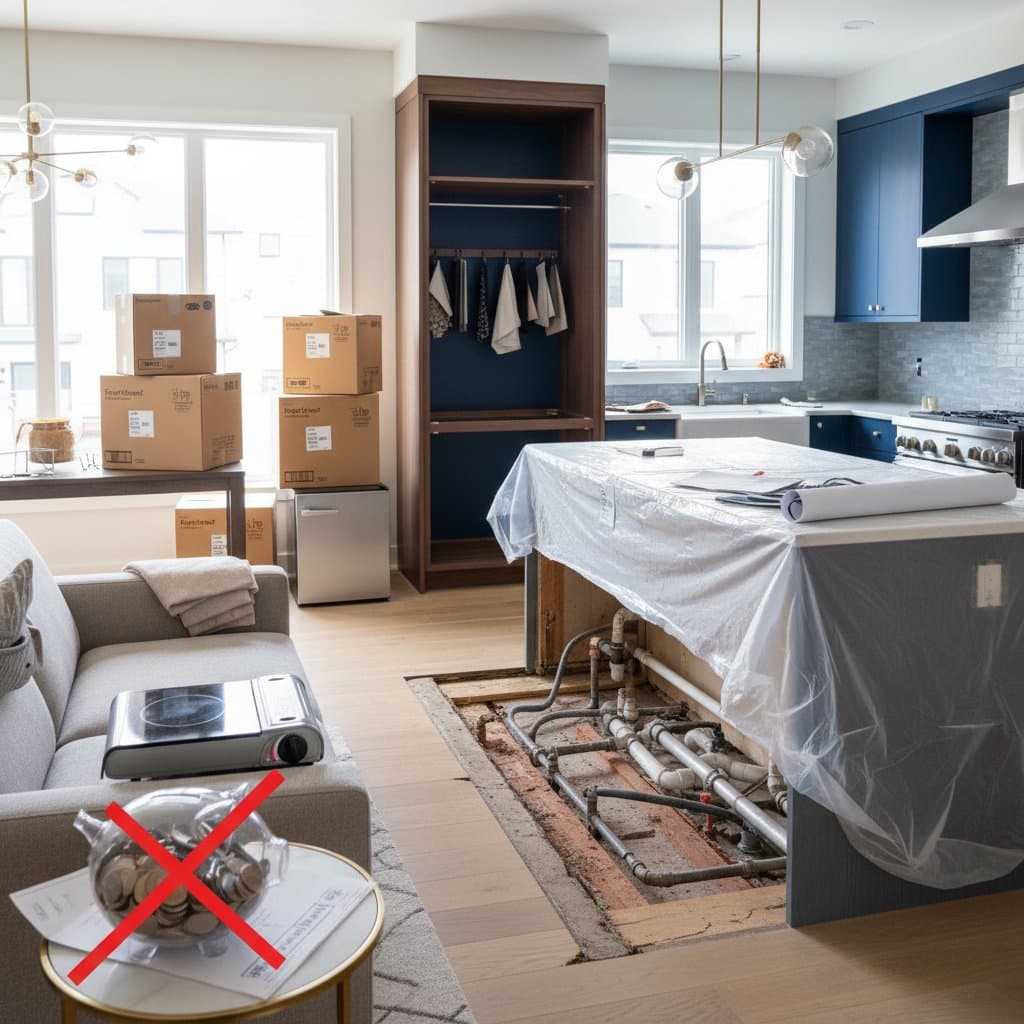
Unveiling Hidden Costs in 2026 Kitchen Remodel Budgets
Imagine a well-planned kitchen remodel: inspiration from design boards, a selected color scheme, and assurances from a reliable contractor that the project remains on schedule. Midway through demolition, however, workers uncover outdated infrastructure, such as ancient wiring or plumbing, prompting sighs from specialists and rapid erosion of the allocated funds. This scenario illustrates the common pitfalls of unforeseen expenses in kitchen renovations.
A national survey of homeowners reveals that only one-third of kitchen projects conclude within their initial budgets. The majority encounter financial strain from unanticipated costs that accumulate swiftly. What begins as an exciting vision of modern cabinetry and functional spaces often evolves into a series of financial adjustments and design concessions.
To address these challenges, this article examines key hidden costs affecting 2026 kitchen remodels. Each section details typical expenses, provides expert insights, and offers practical planning advice to safeguard your budget.
1. Structural Surprises During Demolition
Quick answer: Unexpected structural issues, like subfloor damage or wall reinforcements, can add 10 to 20 percent to project costs.
Demolition often reveals problems concealed by existing fixtures. Rotting beams, asbestos-laden materials, or inadequate support structures demand immediate attention to ensure safety and compliance. These discoveries halt progress and require specialized remediation.
Project manager Elena Vasquez, with over 25 years in home renovations, notes, "What looks like a simple tear-out can uncover foundational weaknesses that inflate timelines and expenses." Common issues include:
- Subfloor repairs: Water damage from past leaks necessitates replacement, including moisture barriers.
- Wall and beam reinforcements: Load-bearing elements may need engineering assessments and steel additions.
- Hazardous material removal: Asbestos or lead paint abatement involves certified professionals and disposal fees.
Budget tip: Conduct a pre-demolition inspection with a structural engineer. This step identifies risks early, allowing for precise cost inclusions in your initial estimate.
2. Permit Fees and Code Compliance
Quick answer: Local permits range from a few hundred to several thousand dollars, varying by project scope and location.
Permits represent a necessary administrative step, though they lack appeal. Failure to obtain them risks complications during property sales or insurance evaluations. Compliance with updated building codes often entails additional modifications.
Raymond Ellis, a project consultant with 30 years in residential remodeling, observes, "Homeowners frequently overlook the expenses and delays associated with code adherence. Electrical and plumbing systems must align with contemporary regulations, which may involve substantial rework."
Anticipate these elements:
- Building permits: Essential for alterations affecting the home's structure, typically calculated per square foot.
- Electrical and plumbing permits: Distinct charges apply to system overhauls.
- Plan review fees: Certain jurisdictions impose costs for evaluating extensive designs.
Budget tip: Require your contractor to detail permit expenses in the preliminary proposal. Such clarity averts unwelcome revelations as the project advances.
3. Appliance Upgrades and Installation Challenges
Quick answer: Selecting energy-efficient or high-end appliances, plus complex installations, can increase costs by 15 to 25 percent.
Appliances extend beyond basic functionality; they influence energy use, aesthetics, and integration. Upgrading to smart models or those with specific dimensions often involves custom fittings and professional setup.
Interior specialist Jordan Hale from Apex Design Group states, "Buyers aim for modern efficiency, but overlooked installation hurdles, like venting requirements or electrical capacity, drive up the total."
Consider these factors:
- Model selections: Premium brands or eco-friendly options carry higher price tags.
- Installation complexities: Gas line conversions or built-in placements demand licensed technicians.
- Utility adjustments: Upgrades to circuits or outlets to support new devices add labor charges.
Budget tip: Research appliance specifications against your kitchen layout before purchase. Opt for modular units that simplify integration and reduce customization needs.
4. Cabinet Customization and Hardware Inflation
Quick answer: Tailored cabinet dimensions and premium finishes may elevate expenses by up to 40 percent.
Cabinets appear straightforward, yet details in materials, craftsmanship, and accessories accumulate costs. Adjustments for unique spaces or aesthetic preferences transform standard units into bespoke creations.
Interior designer Marla Ochoa of Studio North Design comments, "Elements like specialized drawer organizers, precise trim work, and advanced hardware appear insignificant individually, but their combined impact accelerates budget growth."
Hidden elements include:
- Custom sizing: Deviations from standard sizes raise manufacturing and installation fees.
- Hardware enhancements: Quality knobs, hinges, and glides incur additional premiums.
- Finishing choices: Techniques such as glazing or precise color coordination exceed basic applications.
Budget tip: Select semi-custom options for a personalized appearance at a fraction of full-custom pricing. This approach balances individuality with fiscal restraint.
5. Labor Shortages and Overtime Charges
Quick answer: Skilled trade shortages in 2026 could lead to 20 percent higher labor rates and scheduling delays.
The remodeling industry faces ongoing challenges in workforce availability, particularly for plumbers, electricians, and finish carpenters. These constraints result in elevated hourly rates and potential rush fees to meet deadlines.
Contractor liaison Sarah Kline, experienced in supply chain dynamics, explains, "Regional labor markets vary, but national trends indicate premiums for timely completion. Delays from unavailable specialists compound costs through extended material storage or temporary fixes."
Key considerations:
- Hourly rate increases: Demand for certified workers pushes wages upward.
- Overtime provisions: Weekend or expedited work triggers premium pay.
- Subcontractor coordination: Multiple trades require synchronized scheduling to avoid idle time.
Budget tip: Build a contingency for labor fluctuations into your contract. Negotiate clauses that cap overtime and prioritize local, vetted professionals to minimize disruptions.
6. Temporary Living and Food Costs
Quick answer: Disruptions from kitchen unavailability, including meals and storage, can consume 8 to 10 percent of the overall budget.
With the kitchen offline, daily routines shift dramatically. Reliance on external dining options escalates, while perishable items require alternative preservation methods. Families may invest in rental solutions for cooking and organization.
A detailed analysis of homeowner expenditures shows that these indirect costs represent a significant portion of renovation outlays. The cumulative effect of inconveniences translates directly into financial outflows.
Budget tip: Allocate resources for a basic auxiliary setup, such as a compact refrigerator and portable cooking device. This measure sustains normalcy and curtails excessive spending on alternatives.
Strategies for a Budget-Conscious 2026 Remodel
To navigate these hidden costs effectively, implement these targeted actions:
- Insist on detailed estimates. Comprehensive breakdowns expose potential fees from the outset.
- Inquire about foreseeable issues. Reputable contractors disclose common risks based on property assessments.
- Monitor expenditures regularly. Weekly reviews catch minor deviations before they escalate.
- Consult multiple professionals. Gather insights from inspectors and designers to refine your plan.
- Prioritize essentials. Focus funds on high-impact areas while deferring non-critical enhancements.
By anticipating these elements, homeowners secure a renovation that aligns with financial expectations. The result: a functional, beautiful kitchen achieved without undue stress or compromise.